
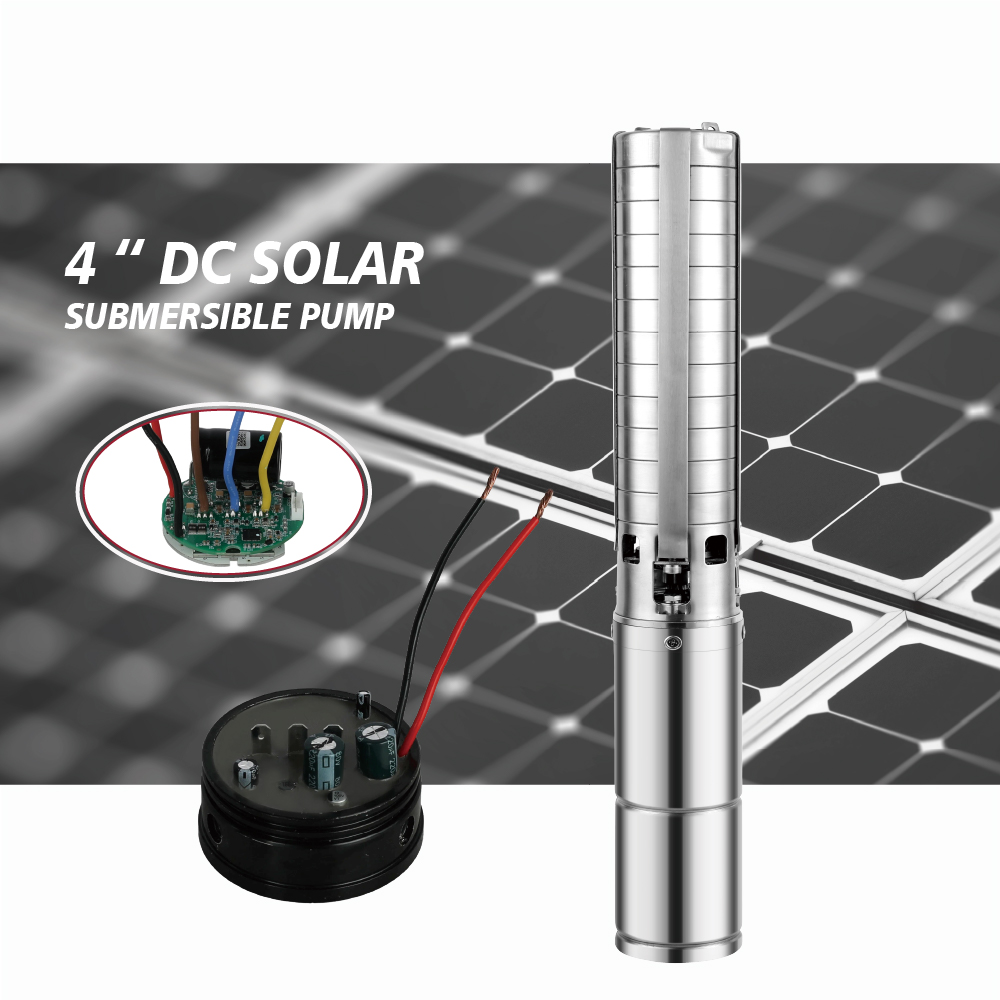
 DC SOLAR SUBMERSIBLE PUMP
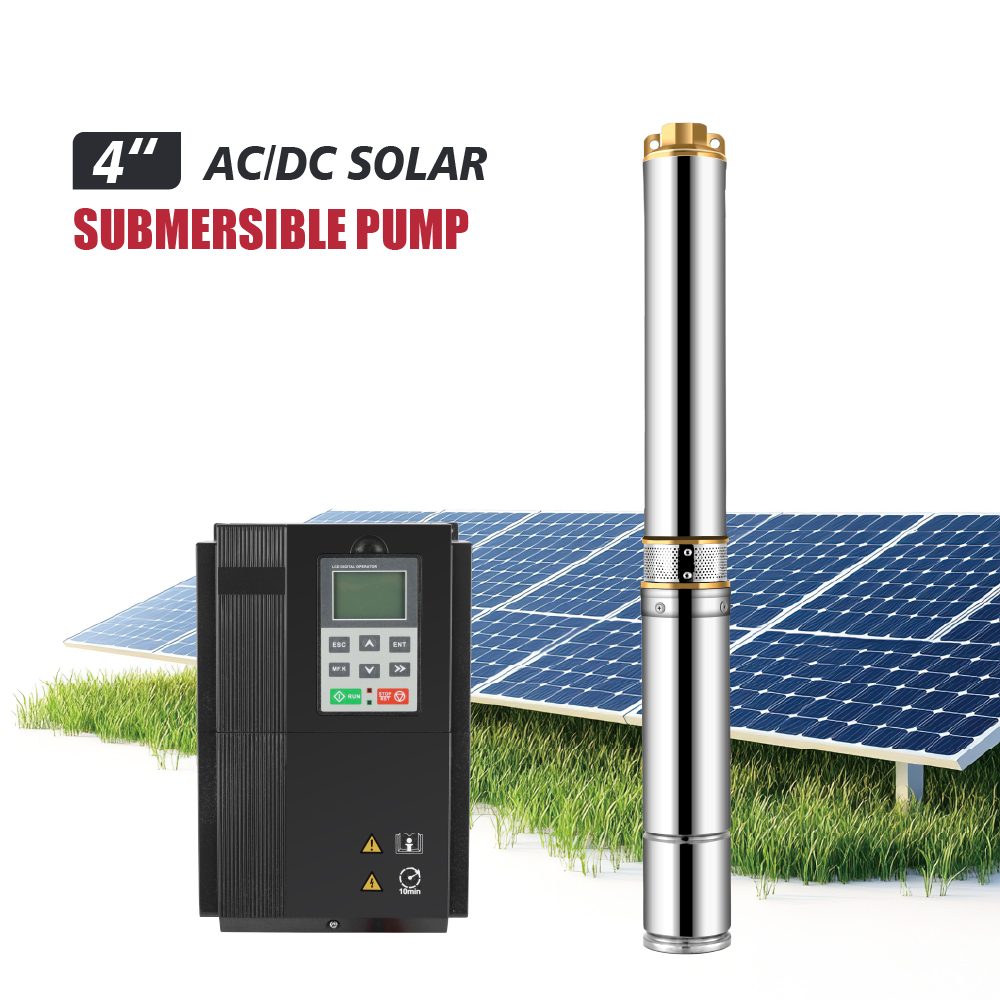
 AC/DC Solar submersible Pump
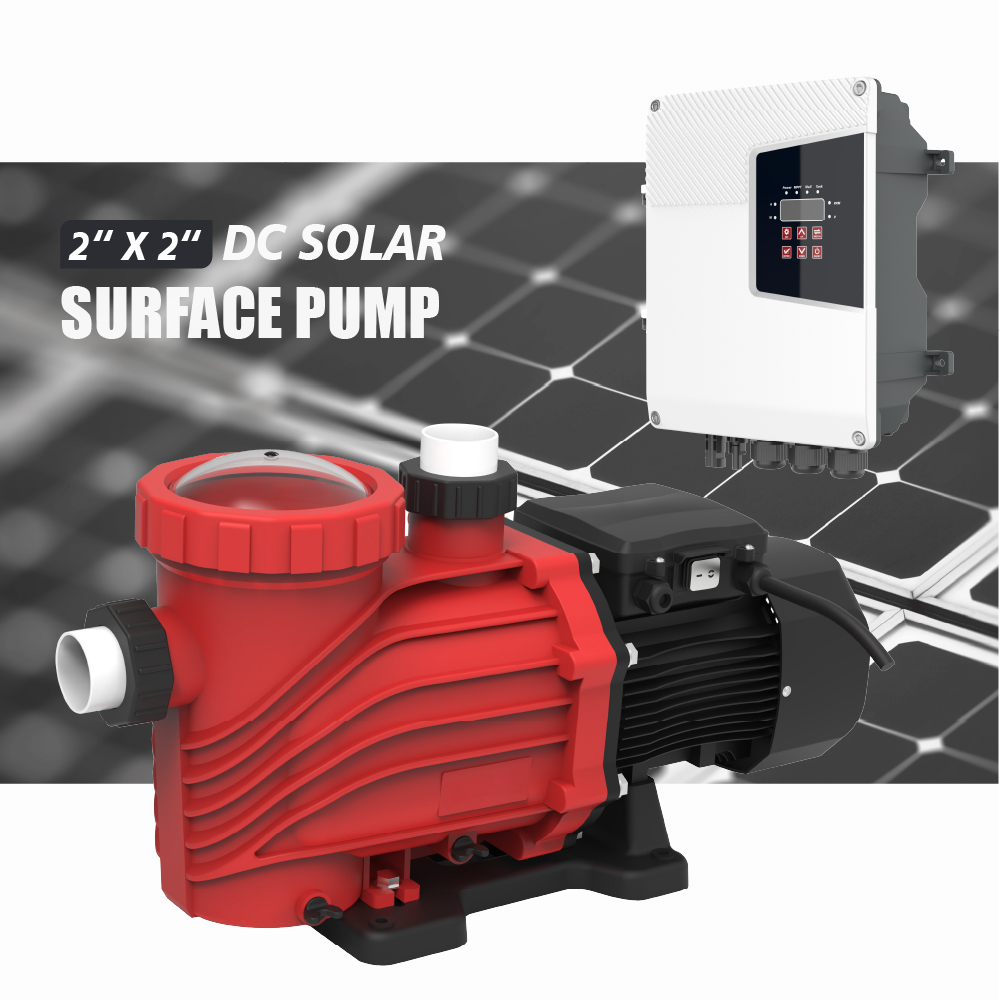
 DC Solar Surface Pump
 AC/DC solar surface Pump
 Solar swimming Pool Pump
 Built-in Controller Solar Pump
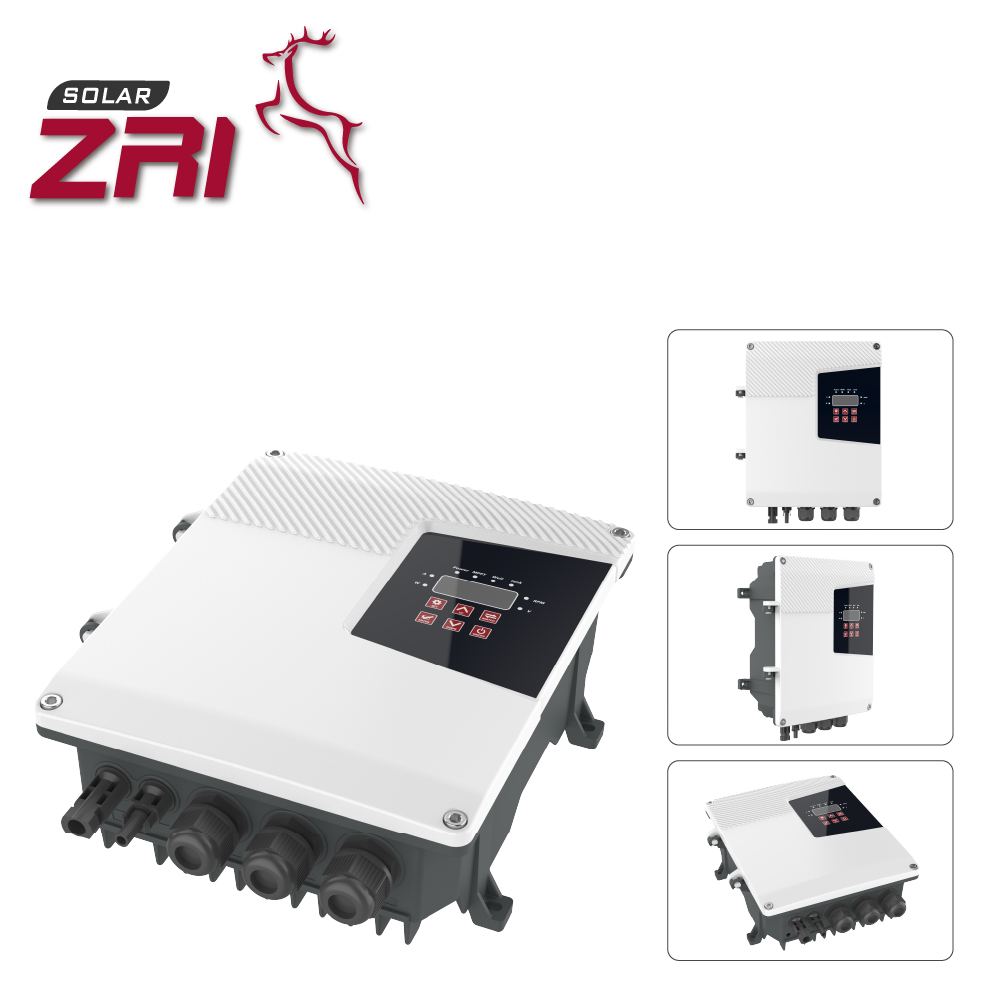
 Solar Pump inverter
 Pump Accessories


 Mr Youkee Kong


The Retrofit Sale: Replacing Failed AC Submersible Pumps With Solar in Existing Boreholes
A Burned-Out Pump Is the Best Lead in the Territory
An agricultural irrigation dealer in East Africa was spending most of his budget chasing new borehole projects that involved drilling, permits and a six-month decision cycle. Meanwhile his service van was visiting two or three farms a month where an existing AC submersible pump had failed and the owner was facing a repair bill, a diesel generator bill, or both. The dealer was treating those callouts as service jobs when they were in fact the warmest sales leads in his territory, because the customer already had water, already had a borehole, and already had a reason to spend money that week. Rebuilding the offer around retrofit doubled his solar unit volume in a year without adding a single new drill site.
A retrofit is a different technical and commercial exercise from a greenfield solar installation, and dealers who run it as a straight pump swap get it wrong in predictable ways. Handled properly, a retrofit is the fastest, lowest-risk and highest-conversion sale in the solar pump category, because the hardest part of the project, the hole in the ground, is already paid for. Here is how solar system integrators and water project contractors should structure it.
Start With a Survey, Not a Quotation
The temptation on a failed-pump callout is to quote a like-for-like replacement and take the order. That is a mistake for two reasons: the original pump may have been wrong for the well, and replacing it simply restarts the same failure clock. Before you quote anything, establish the static water level, the dynamic drawdown at the original duty point, the borehole diameter and total depth, the casing condition and material, the age of the well, and how many times the pump has failed. Those six data points determine whether a solar retrofit is straightforward or whether it will fail exactly like its predecessor.
Pay particular attention to the failure history. A pump that has burned out twice in three years is not a pump problem, it is a duty, power quality or sand problem, and a solar conversion that ignores the root cause will simply be the third failure. Replacing a failed pump without diagnosing why it failed is the most expensive favour a dealer can do for a customer, because the second failure is always blamed on the new equipment. The replacement conversation starts here: what it costs to replace a submersible well pump.
Reuse What You Can, Replace What You Must
The economics of a retrofit depend on how much of the existing installation survives. The borehole is the expensive asset and it usually stays. The riser pipe, the cable, the control box and the surface fittings are the judgement calls. Reusing an aged drop cable is the single most common false economy in a retrofit, because a cable that has been in water for eight years has insulation you cannot inspect and a failure mode you cannot predict, and pulling the pump a second time costs more than the cable ever did. Set a clear rule for your crews: if the cable age is unknown or beyond a set threshold, it is replaced as part of the conversion.
Riser pipe is a different calculation. Sound threaded or flanged steel and good quality HDPE can often stay, provided the joints are proven before the new pump goes down. Pressure test the existing riser before you commit, and make the test result a line item on the quotation, because a joint that fails after handover becomes your warranty claim even though you did not install it. Having a clear installation reference for crews also matters here: installing a submersible well pump.
Match the New Duty Point to the Well, Not to the Old Pump
The most technical part of a retrofit is also the part that is most often skipped. The old pump was selected by somebody, possibly badly, possibly for a duty that has since changed because the water level dropped or the irrigation area expanded. Recalculate total dynamic head from the current static level and drawdown, add the friction losses through the existing pipe at the target flow, and select the new pump against that number rather than against the rating plate of the one you pulled out. Copying the old specification is how a retrofit inherits an old mistake.
Solar adds a second dimension: the pump now has to deliver that duty point across a day of varying irradiance rather than at a fixed grid frequency. That means the array sizing, the controller behaviour and the storage question all enter the selection. The cleanest retrofit proposition is usually to hold the daily volume constant rather than the instantaneous flow, and to let a storage tank absorb the difference between solar delivery and irrigation demand. For deeper wells, the retrofit path typically runs through a dedicated deep-set machine: a deep submersible solar water pump.
Hybrid Is the Bridge That Closes Reluctant Customers
A significant share of retrofit customers are not ready to give up grid or generator power. They have a functioning connection, they irrigate at fixed times, or they need water at night. Pushing a solar-only conversion at those customers stalls the sale. Offering a hybrid configuration that runs on solar when the sun is available and switches to grid or generator when it is not removes the biggest objection in the room and keeps the deal alive. The controller behaviour during the switch is what you must demonstrate, not describe, so make it part of the commissioning.
The hybrid route also de-risks the first installation for a dealer, because if the array turns out to be undersized for a particular season the customer has a fallback and the relationship survives. For that configuration, the relevant machine class is an AC/DC solar submersible water pump.
Sell the Payback in the Customer's Own Numbers
The retrofit pitch is a replacement cost comparison, not an idealistic energy argument. The customer has three real alternatives: repair the old pump, replace it with another AC unit, or convert to solar. Write all three on one page with the capital cost, the annual running cost and the expected service interval, and let the comparison do the selling. Where grid power is unreliable or diesel is the fallback, the solar option usually wins on a two-to-three-year basis, and saying so with numbers is far more effective than saying it with enthusiasm.
Include the cost of the failures. A farm that has lost a pump twice has already paid for a significant part of a conversion in repair bills, downtime and crop loss, and most customers have never added those up. Add them up for them on the quotation and the decision usually stops being close.
Commission and Document Like It Is a New Installation
A retrofit has one structural risk that a greenfield project does not: anything that goes wrong afterwards will be attributed to the conversion, whether or not it is related. Protect yourself with a documented pre-conversion baseline and a documented handover: well yield before and after, static and dynamic levels, running current, flow at the duty point, and the condition of everything you chose to reuse. That file is also the strongest sales asset for the next farm down the road.
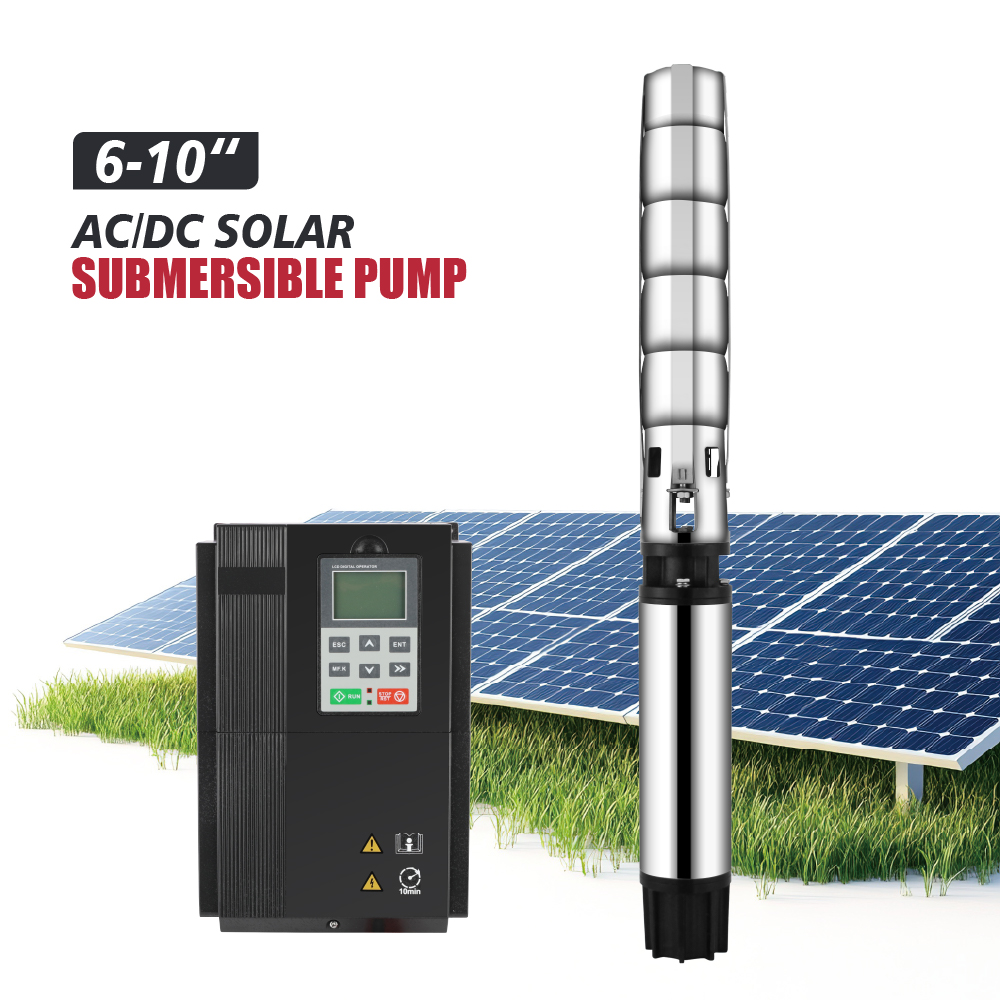
Higher-duty sites, including commercial and light industrial boreholes, sit at the top of this opportunity and justify a heavier machine class. An industrial submersible water pump is the right reference point when the retrofit target is a site with continuous or near-continuous demand.
Build the Retrofit Pipeline Deliberately
Log every service callout, tag the ones with repeat failures, and revisit them with a conversion proposal at the next failure rather than waiting for the customer to call. A territory with fifty existing boreholes contains more near-term solar business than any new drilling programme, and almost nobody is systematically working it.