
 DC SOLAR SUBMERSIBLE PUMP
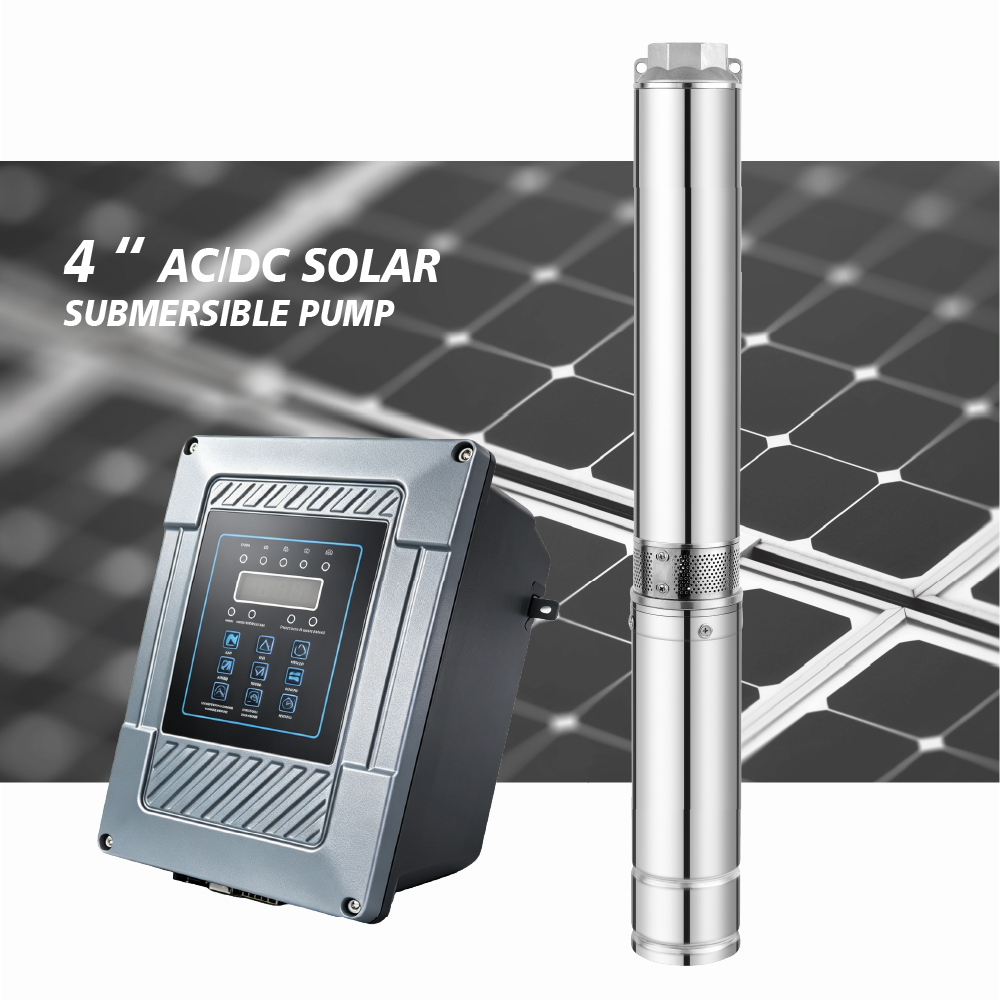
 AC/DC Solar submersible Pump
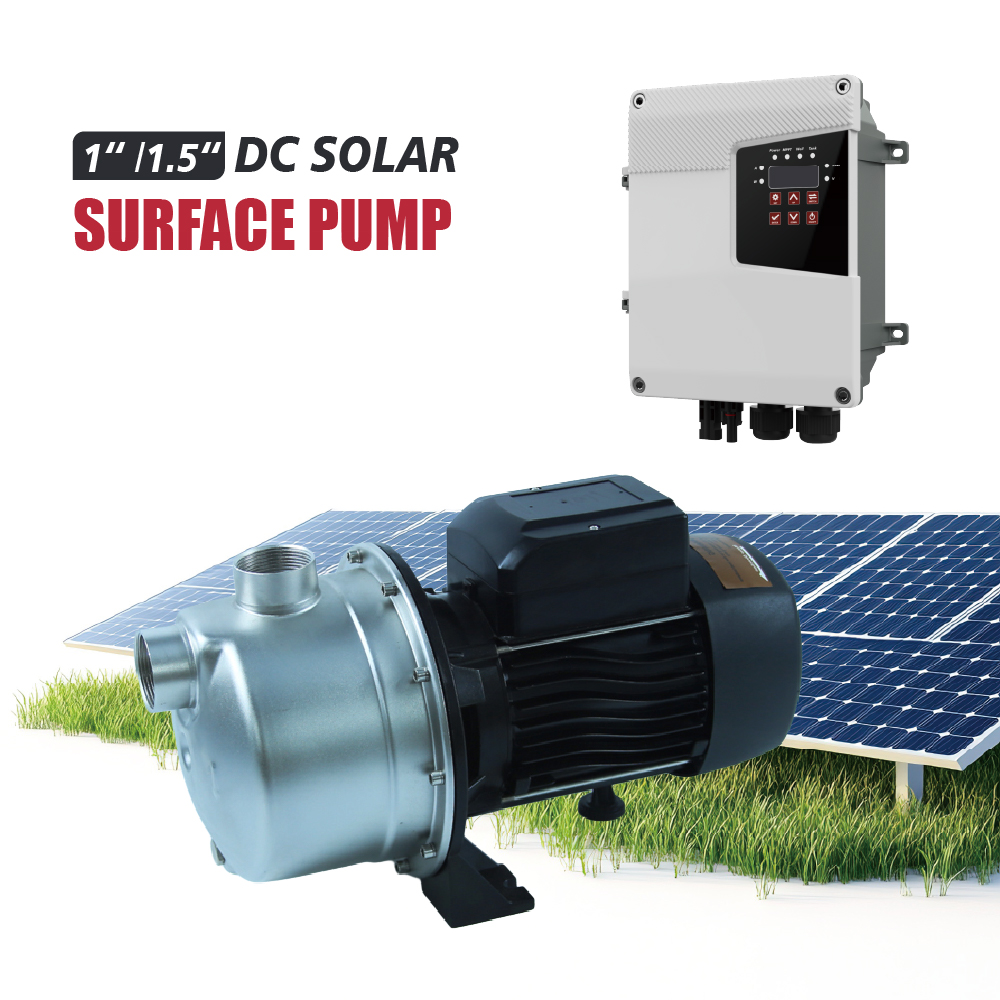
 DC Solar Surface Pump
 AC/DC solar surface Pump
 Solar swimming Pool Pump
 Built-in Controller Solar Pump
 Solar Pump inverter
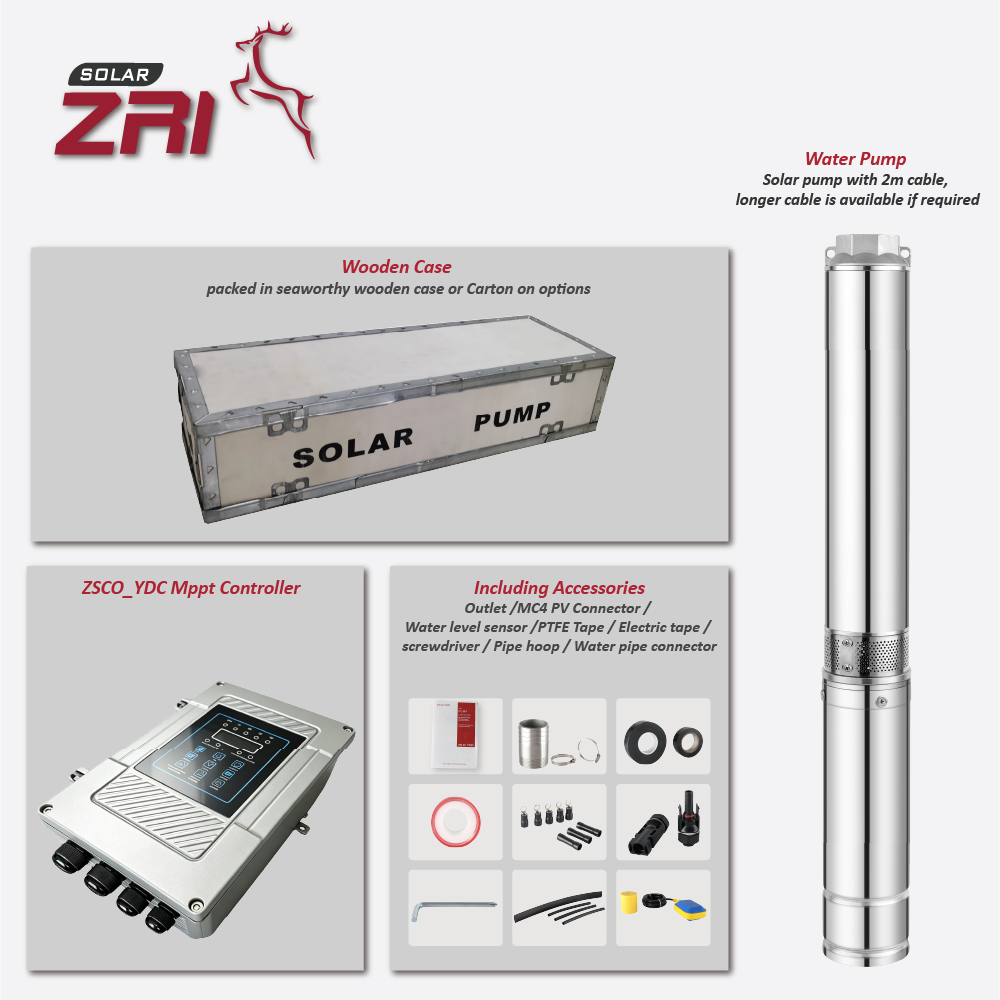
 Pump Accessories


 Mr Youkee Kong
The Secret of Screw Pumps: Why They Excel at Pumping High-Viscosity Liquids and Deep Well Water?
The Secret of Screw Pumps: Why They Excel at Pumping High-Viscosity Liquids and Deep Well Water?
Selecting solar water pumps can be a headache. Even when head and flow parameters seem correct, pumps frequently seize up, wear out, or fail to draw water from deep wells. This is often due to choosing the wrong pump type. Many projects overlook fluid characteristics and core pump principles when handling high-viscosity liquids (like slurry or oil) or deep well water extraction. This article unlocks the unique advantages of screw pumps. You'll understand why they're the more reliable, economical choice for specific conditions—not just a pump, but an intelligent fluid “porter.”
1. What is the core principle of a screw pump? Slow yet powerful “propulsion”
Screw pumps, also known as progressive cavity pumps, derive their secret from the “sealed chamber.”
Imagine a thick screw rotating within a rubber sleeve. The screw's helical grooves and the sleeve's inner wall form independent, enclosed “chambers.” As the motor drives the screw's rotation, these chambers steadily move from the suction end to the discharge end. The fluid within these chambers is smoothly “pushed” toward the outlet, much like passengers on a train.
The key lies in “sealing.” With precise clearance tolerances, these chambers remain virtually leak-free. This delivers two inherent advantages: strong self-priming capability (handling gas-containing liquids) and insensitivity to viscosity changes. A real-world example: An overseas palm oil mill used conventional centrifugal pumps to transport coarse-filtered oil slurry, experiencing frequent clogging and low efficiency. After switching to a single-screw pump, it not only stably conveyed high-viscosity oil slurry but also reduced maintenance frequency by 70%.
Common user question: “With such low speed, is the flow rate sufficient?”
Answer: Flow rate depends on chamber volume and rotational speed. Screw pumps operate on positive displacement—low speed but with a fixed displacement per revolution. For viscous fluids, low speed actually reduces friction heat and shear damage, making it more efficient. Pursuing high speeds may cause “air-running” or damage.
2. Why conquer high-viscosity liquids? Gentle “embrace”-style conveyance
Centrifugal pumps eject fluids via centrifugal force. As viscosity increases, fluids become “unthrowable,” causing efficiency to plummet. Screw pumps differ with positive displacement.
They “push” and ‘cradle’ the fluid rather than “fling” it. High-viscosity liquids are uniformly propelled within the sealed chamber, minimizing internal shear stress. This makes them ideal for transporting sensitive, easily denatured, or solid-laden media like sewage sludge, chemical slurries, and food syrups.
For instance, in solar-powered biogas projects, high-viscosity fermentation feedstock (a mixture of livestock manure and straw) must be transferred between tanks. After implementing our deep-well screw pump retrofit solution, not only did clogging issues disappear, but the smooth pumping characteristics also prevented disruption to active biogas, resulting in more stable gas production.
Common User Question: “Does pumping sandy liquids cause rapid wear?”
Answer: This depends on the stator material. Standard rubber stators are susceptible to wear, but for sandy water or abrasive slurries, wear-resistant polyurethane or hard alloy stators can be selected. Choosing the right material can extend service life by several times.
3. Why are screw pumps stable for deep well water extraction? The endurance race against depth
Deep well water extraction, especially from small-diameter deep wells, pushes pumps to their limits. Centrifugal pumps in deep wells face complex structures from multi-stage impellers, susceptibility to cavitation, and axial force balancing issues.
Screw pumps feature a straightforward design. A long drive shaft rotates a single screw rotor at the well bottom. Head is determined by the number of screw stages (helix pitches), with each additional stage steadily increasing pressure in a clearly linear relationship. This delivers exceptionally smooth, pulsation-free high-pressure output.
More importantly, it exhibits superior cavitation resistance. Since liquid is continuously pushed upward rather than rapidly “sucked” up, vacuum bubbles are less likely to form at the inlet. Our solar-powered deep-well screw pump solution for a 150-meter agricultural irrigation well in the Middle East demonstrated far greater stability than the previously used multistage centrifugal pump during three years of continuous operation, with extremely low maintenance costs.
Common User Question: “Can screw pumps operate in tilted or curved wells?”
Answer: Careful assessment is required. Screw pumps feature long drive shafts that demand straight well casings. Minor bends can be addressed with alignment devices, but severely curved wells require prior well condition inspection. This is a critical factor to confirm before pump selection.
4. A Perfect Match for Solar Systems? The Appeal of Low Starting Torque
What's the biggest challenge for solar water pumping systems? Weak morning sunlight preventing pump startup, wasting precious solar energy. Or afternoon cloud cover causing sudden power drops that shut down the pump.
Another secret weapon of screw pumps: low starting torque. During startup, it only needs to overcome static friction and the resistance of the initial filling fluid, resulting in low starting current. This makes them highly adaptable to the fluctuating voltage and power output from solar panels. Even during low-irradiance mornings, they start smoothly, maximizing every kilowatt-hour of solar energy.
Consider this comparison: At identical head and flow rates, starting a multistage centrifugal pump may require 60% of the photovoltaic array's peak power, while a screw pump might need only 40% to start smoothly and establish flow. This directly reduces solar system configuration costs and curtailment rates.
Common user question: “Isn't efficiency lower than centrifugal pumps?”
Answer: It's not a one-size-fits-all answer. High-efficiency centrifugal pumps indeed excel in clear water, high-flow, and medium-to-low head conditions. However, in high-viscosity, high-head, low-flow, or contaminated fluid applications, screw pumps often demonstrate superior overall operational efficiency—including adaptability and reliability. Efficiency should be evaluated over the entire lifecycle, not based solely on nameplate data at a single operating point.
Selecting a solar water pump fundamentally means choosing a fluid solution perfectly matched to the application. While screw pumps aren't a universal solution, their unique positive displacement principle, gentle pumping action, exceptional deep-well endurance, and inherent compatibility with solar fluctuations have established irreplaceable advantages in transporting high-viscosity liquids and deep-well water extraction. When confronted with viscous media or deep boreholes next time, remember this slow yet steadfast “propeller.” It may be the key to ensuring your solar water pumping system operates reliably for two decades.
FAQ
Q1: How often does the stator—a wear part in screw pumps—typically need replacement?
A: This depends on the abrasiveness of the medium, operating temperature, and dry-running duration. When pumping clean cold water, the stator can last 5-8 years. For slurry containing sand, it may last 1-3 years. The key is to avoid dry running—just a few minutes of friction heat can damage the stator. Selecting wear-resistant materials can significantly extend its lifespan.
Q2: Can a screw pump be used to pump very clean water? Wouldn't that be overkill?
A: Yes, but it may not be the most economical solution. When pumping clean water, the screw pump's advantages (handling high viscosity and solids content) are not utilized, and its purchase cost is typically higher than that of a centrifugal pump of the same specifications. Unless there are special requirements (such as absolutely pulsation-free flow or extremely high head with minimal flow), high-efficiency centrifugal pumps remain the preferred choice for clean water.
Q3: When powered by solar energy, does a screw pump require a dedicated variable frequency controller?
A: We strongly recommend it. Specialized solar pump controllers (like MPPT types) optimize PV panel power output, provide soft-start protection, and intelligently adjust speed based on sunlight. This not only protects the pump but also boosts total daily water extraction by 20%-30%, making it a highly cost-effective component.
Meta Description: Discover the core advantages of screw pumps in high-viscosity liquid transfer and deep well water extraction. This article analyzes real-world cases from first principles to explain why it's the robust choice for solar water pump systems. Provide key technical decision-making support for your next procurement to enhance project reliability.
Keywords: screw pump, solar water pump, deep well water extraction, high-viscosity liquid transfer, solar screw pump