
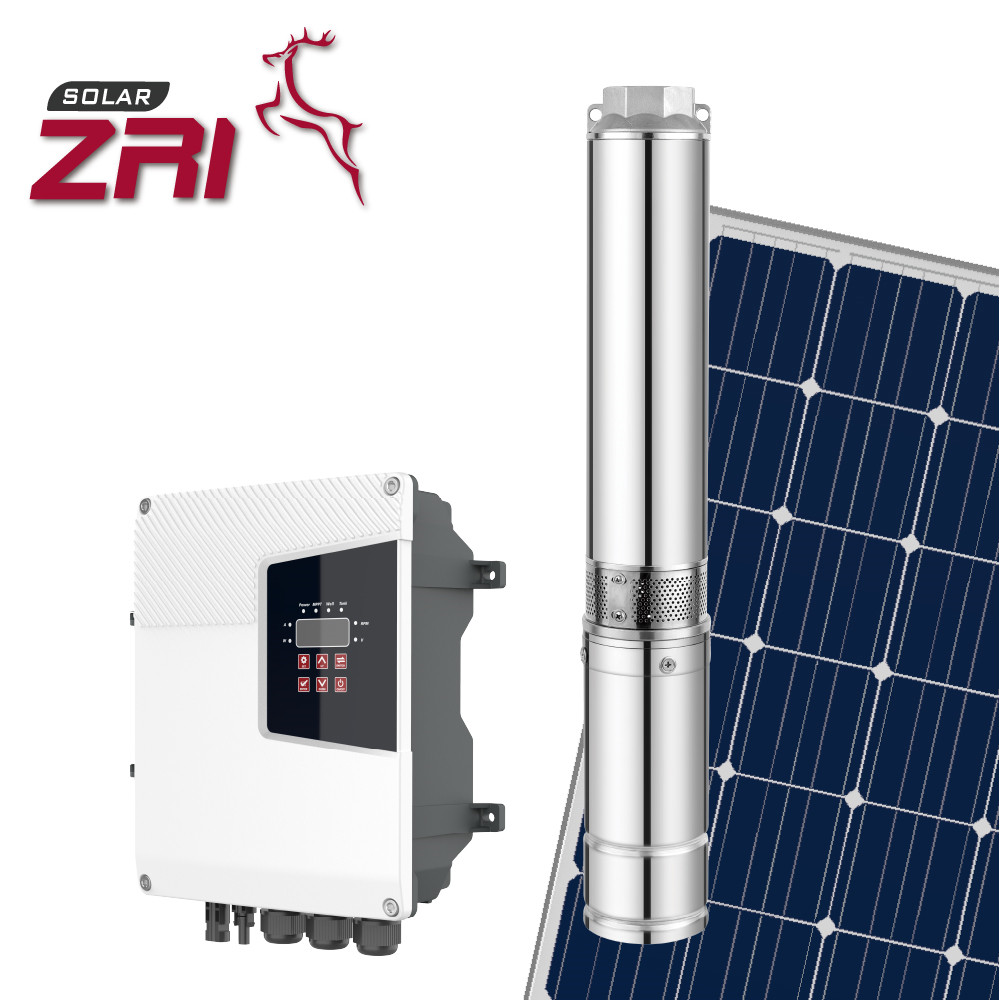
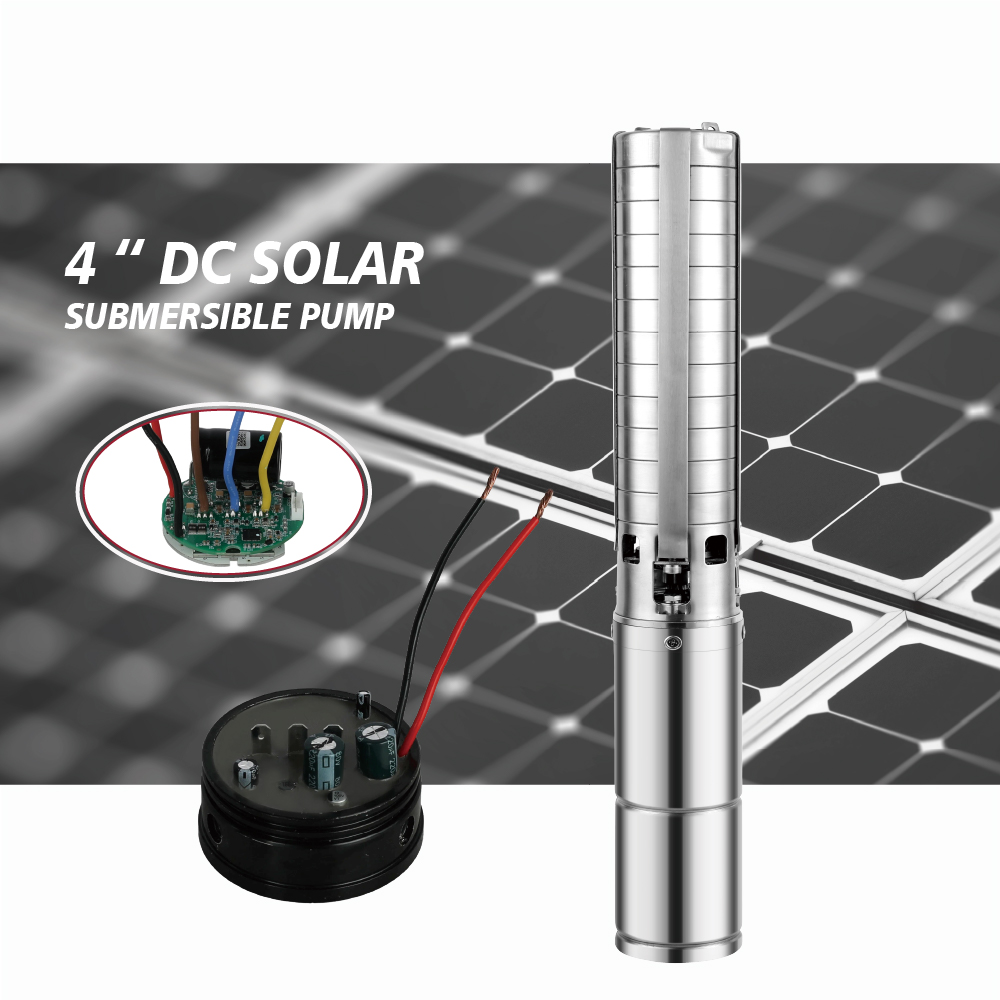
 DC SOLAR SUBMERSIBLE PUMP
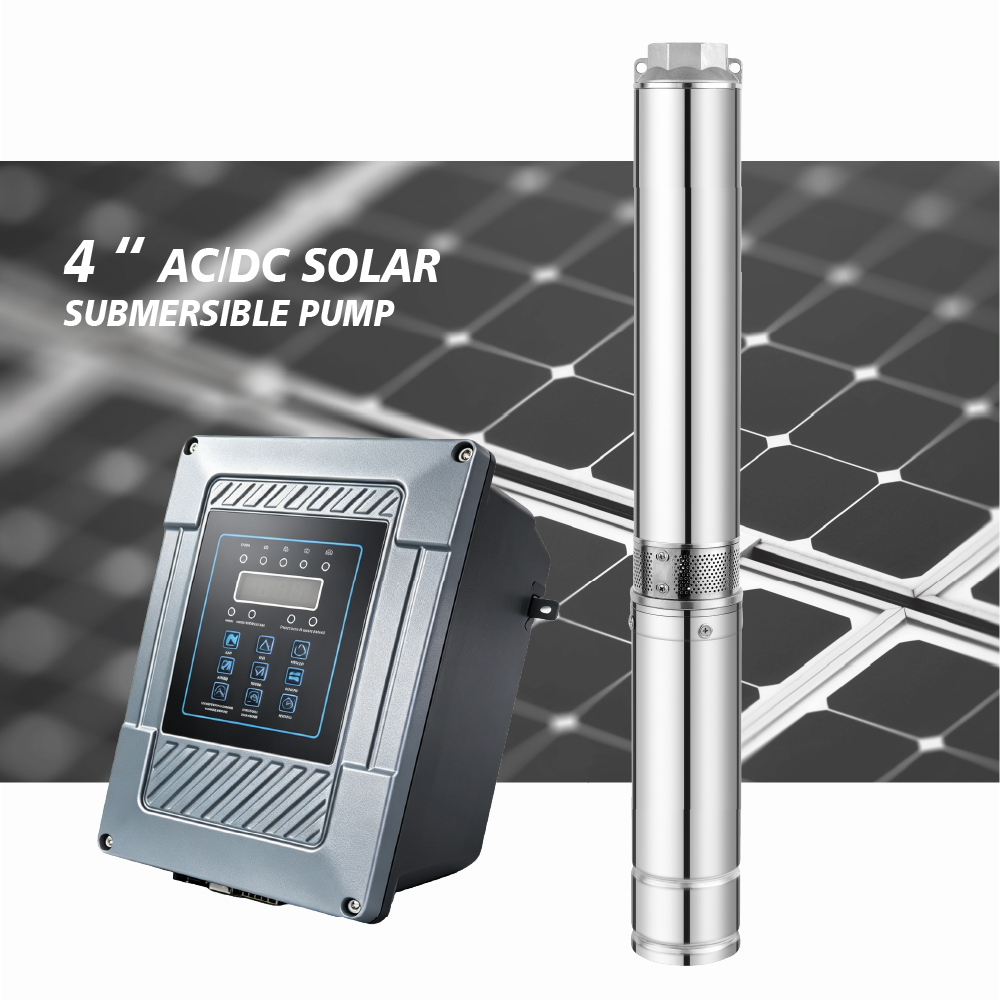
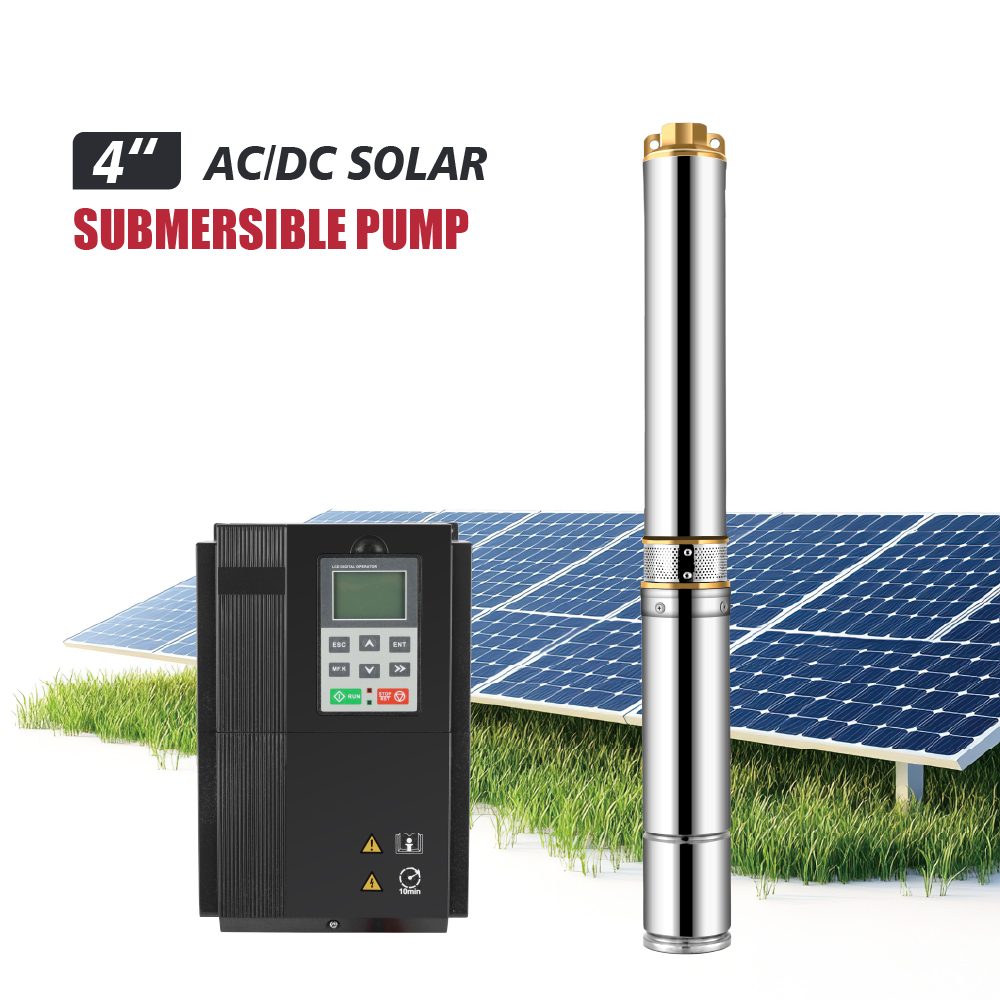
 AC/DC Solar submersible Pump
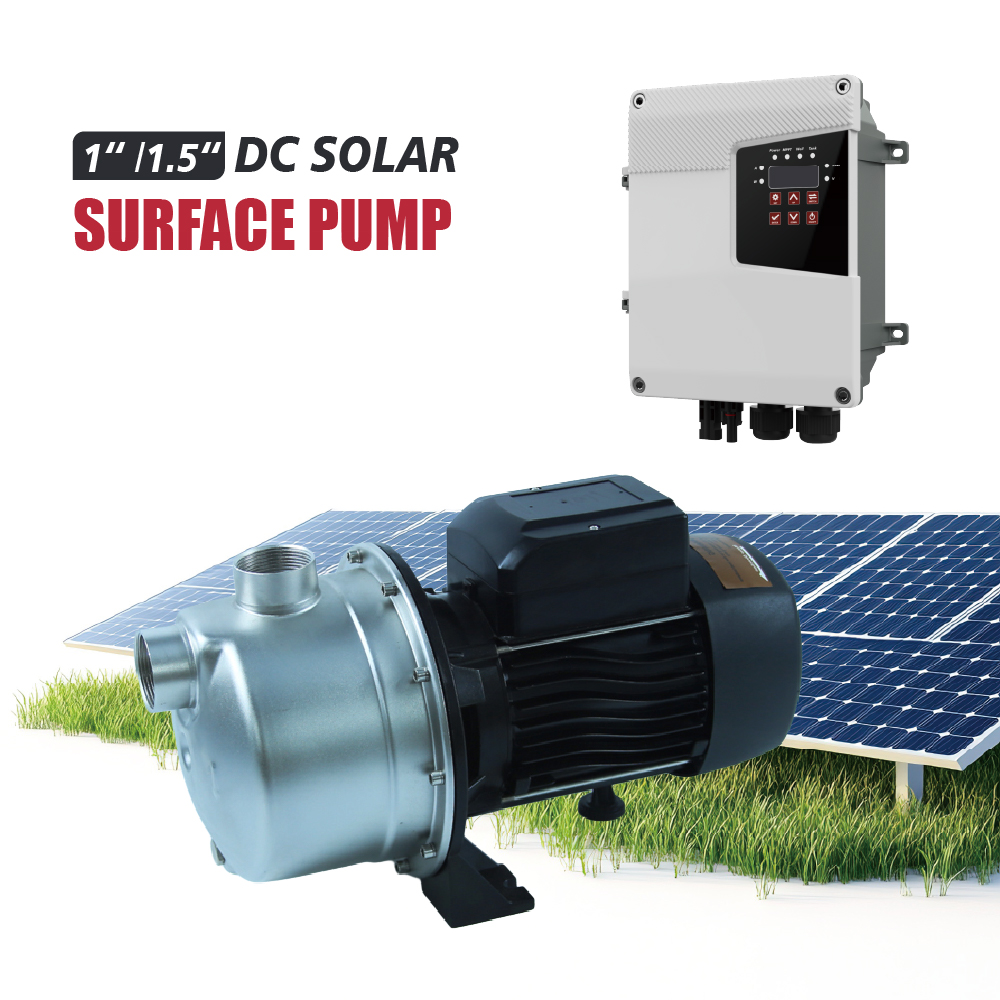
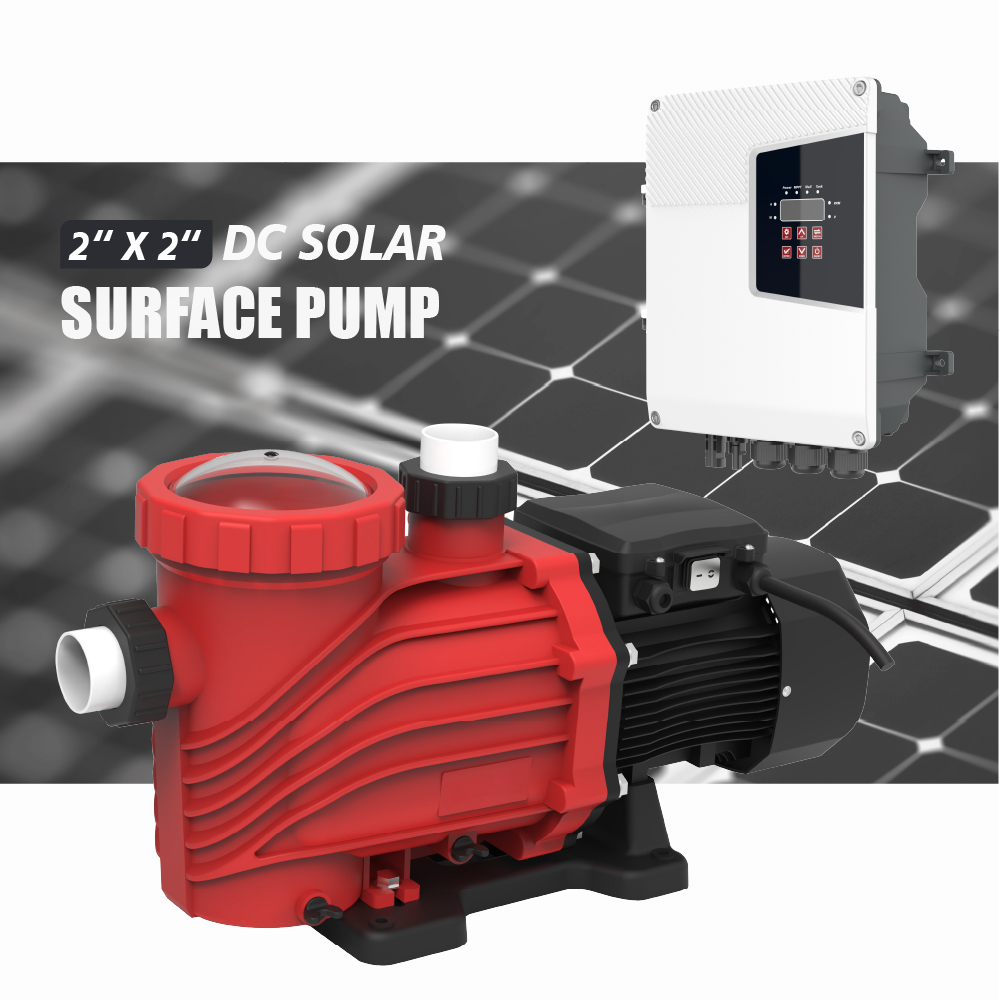
 DC Solar Surface Pump
 AC/DC solar surface Pump
 Solar swimming Pool Pump
 Built-in Controller Solar Pump
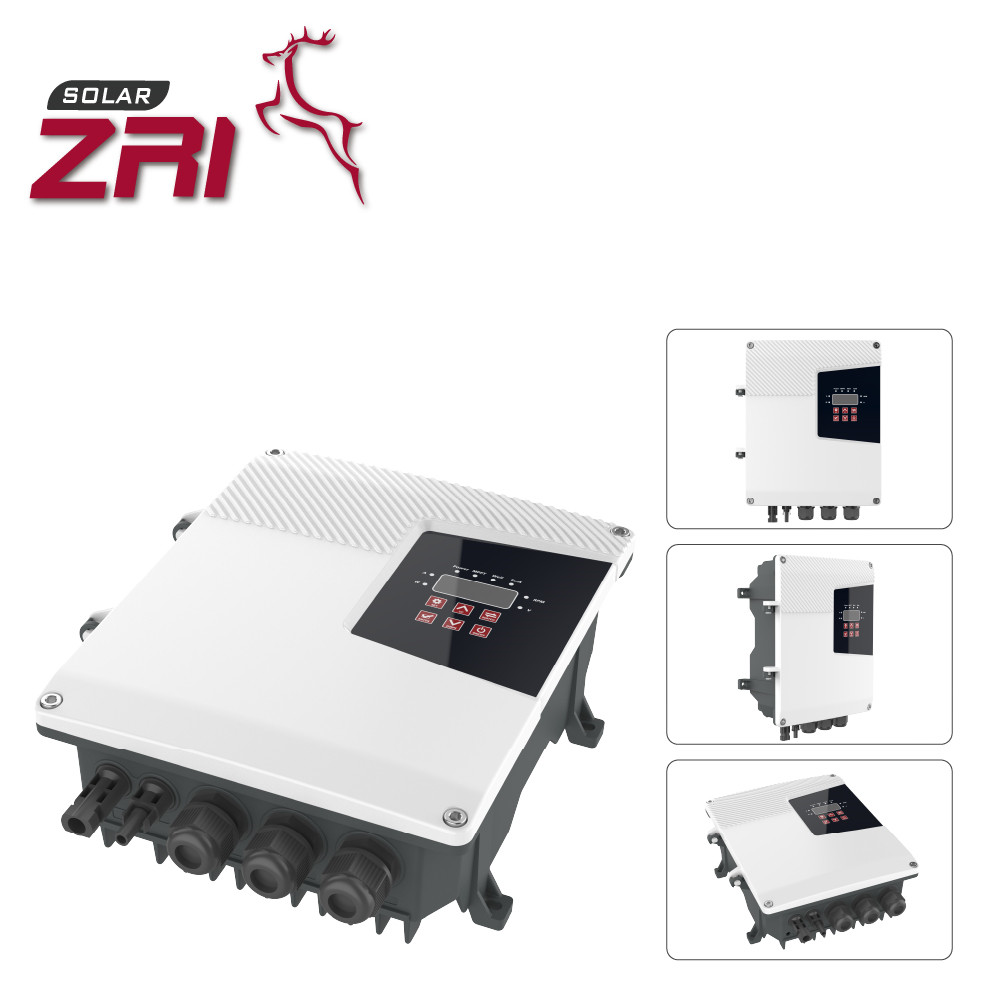
 Solar Pump inverter
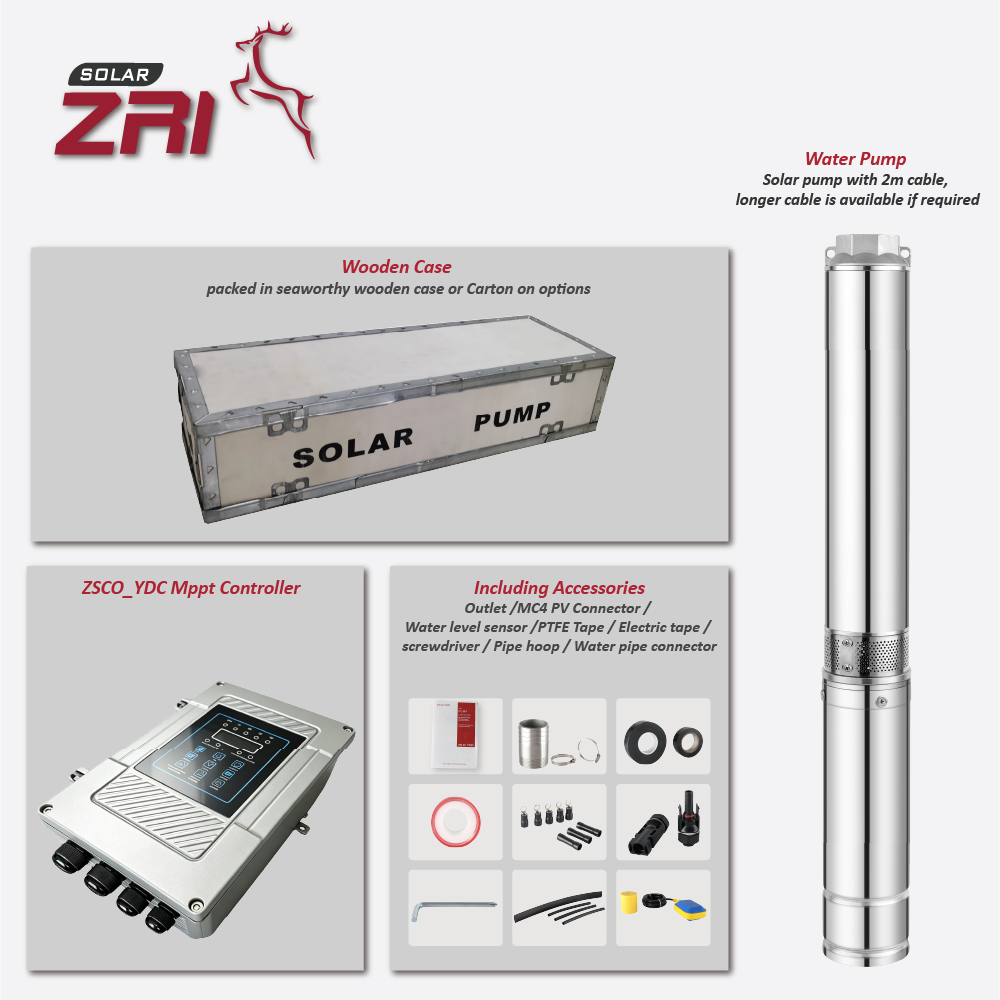
 Pump Accessories


 Mr Youkee Kong

Warranty Claims and Failed Units: How Solar Pump Dealers Run RMAs Without Losing the Contract
A solar irrigation dealer in Andhra Pradesh installed 42 DC submersible pumping kits across three village cooperatives in March, and by late June one of the 2 inch units had stopped delivering water while the controller still showed a healthy green LED. A complaint arrived, and the dealer had to decide whether this was a factory defect, an installation error, or a water-source problem before promising any swap. Shipping a healthy unit back to the factory is the fastest way to lose both the freight cost and the farmer's trust. The first rule of running returns without losing the contract is to separate the question "who pays" from the question "what broke." A warranty is a commercial instrument, not a diagnosis, and mixing the two is where dealers bleed margin.
What the Warranty Actually Covers and What It Does Not
Most distributor agreements split coverage into four distinct components, and a failed field unit usually involves only one of them. The pump end, the controller, the PV array, and the installation each carry a different failure baseline and a different party responsible. A stainless impeller that cracks in month four is a factory matter; a controller burned by a lightning strike is an act of nature that the standard 24-month pump warranty rarely touches.
Recommendation: write the four components into the dealer agreement as separate lines with separate clock start dates. Risk: a dealer who quotes "two-year warranty on everything" has already promised coverage the factory will refuse to honour.
Factory Defect Versus Installation Error
Field failures split cleanly once you learn the signatures. Dry-run seizure, lightning damage, sand abrasion, undersized cable, and wrong-controller pairing are installation or environment failures, not factory defects. A pump run for six hours with the water table below the foot valve will weld its bearings regardless of build quality.
Spec note: the single most common misdiagnosis is "motor burned" when the true cause is a voltage drop from an undersized cable run. At 60 metres of 2.5 mm2 cable on a 48 V DC unit the drop can exceed 8 V, and the controller then overloads the windings. That is a sizing error the dealer owns.
Controller pairing mistakes are cheaper to prevent than to repair, and the solar charge controller sizing guide shows the exact MPPT window each pump family needs, so dealers can print one page per kit and stop mispairing 24 V and 48 V drivers before the unit ever leaves the warehouse.
- Dry run — impeller scored, shaft seized, no water in the bore at inspection.
- Lightning — controller board charred, MOV discs cracked, surge marks on terminals.
- Sand — impeller edges rounded, volute scored, abrasive paste inside the pump.
- Undersized cable — insulation warm, voltage at pump 6-10 V below controller output.
- Wrong controller — pairing a 48 V pump to a 24 V driver, or a mismatched MPPT curve.
Field Triage Before You Ship Anything Back
Never dispatch a unit until a 15-minute field check is documented. Fix: photograph the controller fault log, measure voltage at the pump terminals under load, and confirm the water level against the drawdown estimate.
For decorative and low-head water features the Aisitin solar fountain pump gives dealers a known-good low-power reference unit; comparing a suspect kit's current draw against one of these isolates controller faults in minutes rather than days, and it is the model pond and gift dealers should keep on the bench for quick A-B testing.
Risk: a dealer who ships first and measures never builds the evidence the factory needs, and the claim is declined as "no fault found" with the round-trip freight already sunk.
Spare-Part-First Versus Whole-Unit Replacement
Recommendation: stock impellers, mechanical seals, and controller boards so that roughly 60% of claims close with a part, not a return.
Risk: replacing a whole unit for a 4 USD seal trains the buyer to expect free swaps and inflates your RMA rate with the factory.
For fixed-installation single-phase sites the single-phase submersible pump is the model most dealers keep a seal-and-impeller kit for, since its standardized end bell accepts common 12 mm and 15 mm mechanical seals without special tools, which is why it is the easiest class to service in the field.
Freight Allocation and Holding Service Units
Spec note: a standard RMA terms sheet allocates outbound freight to the dealer and return freight to the factory only when the defect is confirmed factory-side. Until confirmation, the dealer carries both legs, so every unnecessary return is a double freight loss.
Risk: on cross-border tenders the importer often refuses to pay return freight, and the dealer absorbs 40-90 USD per mistaken shipment. Build a declared maximum RMA freight exposure into the quote.
For deep-borehole contracts the 15 HP submersible pump for deep boreholes should be stocked as both a sold unit and a swap unit, because a 120 m bore going dry for three weeks costs the farmer more than the pump is worth, so contractors cannot wait the standard replacement loop on this model.
The Claim Documentation Pack
A claim that arrives incomplete is a claim that waits. Fix: assemble the pack before calling the factory so the ticket opens complete and the clock starts on their side, not yours.
- Serial photo — laser-etched number on the motor shell, readable and dated.
- Controller fault log — last 48 hours of LED codes or App export.
- Installation photo — cable gauge, jointing, and foot-valve depth visible.
- Water-source data — static and dynamic level, TDS, sand fraction.
- Voltage reading — pump-terminal voltage under load, not at the controller.
Because it is the most common small-format call-out, the 2 inch submersible well pump is the first model a dealer should hold two spare service units of, since its narrow diameter fits the majority of shallow private wells and closes a claim on the spot.
Dealer RMA Checklist Before You Call the Factory
- Confirm water level is above the foot valve before any diagnosis.
- Measure pump-terminal voltage under load, not at the controller.
- Photograph the serial number and the controller fault log together.
- Decide part-first versus whole-unit using the 8% return-ratio rule.
- Allocate freight in writing before shipping anything back.
- Hold one service unit per ten installed, two for the 2 inch model.
Running warranty claims without losing the contract comes down to discipline rather than generosity. Recommendation: treat every return as a documented transaction with a known cause, a named cost owner, and a service-unit path that keeps the farmer pumping within the SLA. Risk: a dealer who swaps first and diagnoses never builds the data that proves the next claim is the factory's to pay.