
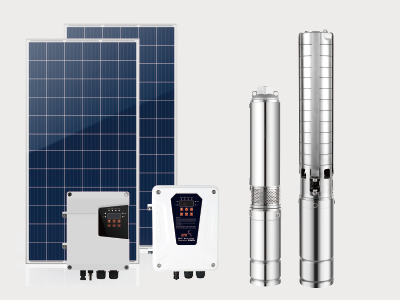
 DC SOLAR SUBMERSIBLE PUMP
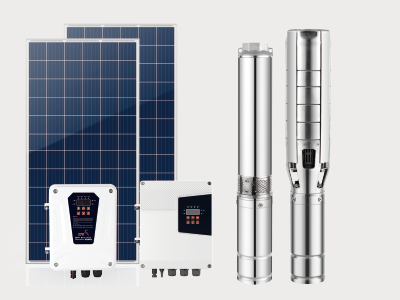 AC/DC Solar submersible Pump
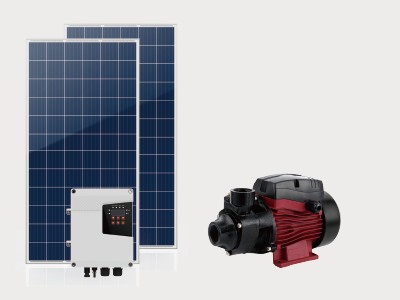 DC Solar Surface Pump
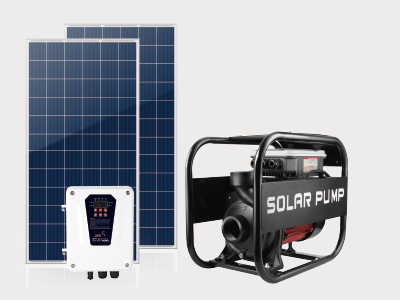 AC/DC solar surface Pump
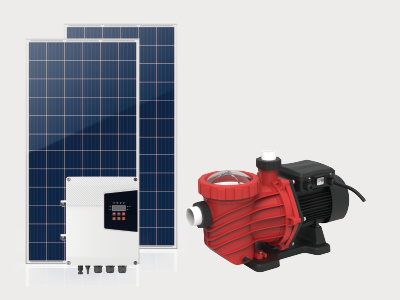 Solar swimming Pool Pump
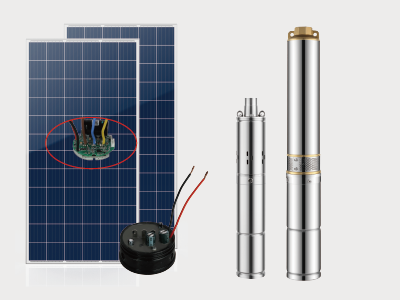 Built-in Controller Solar Pump
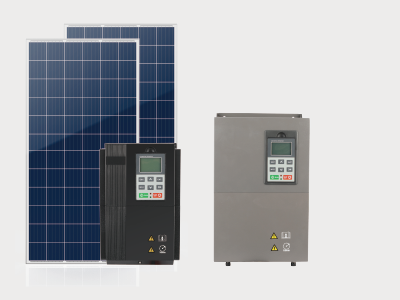 Solar Pump inverter
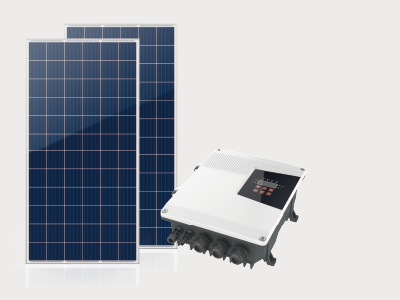 Pump Accessories


 Mr Youkee Kong




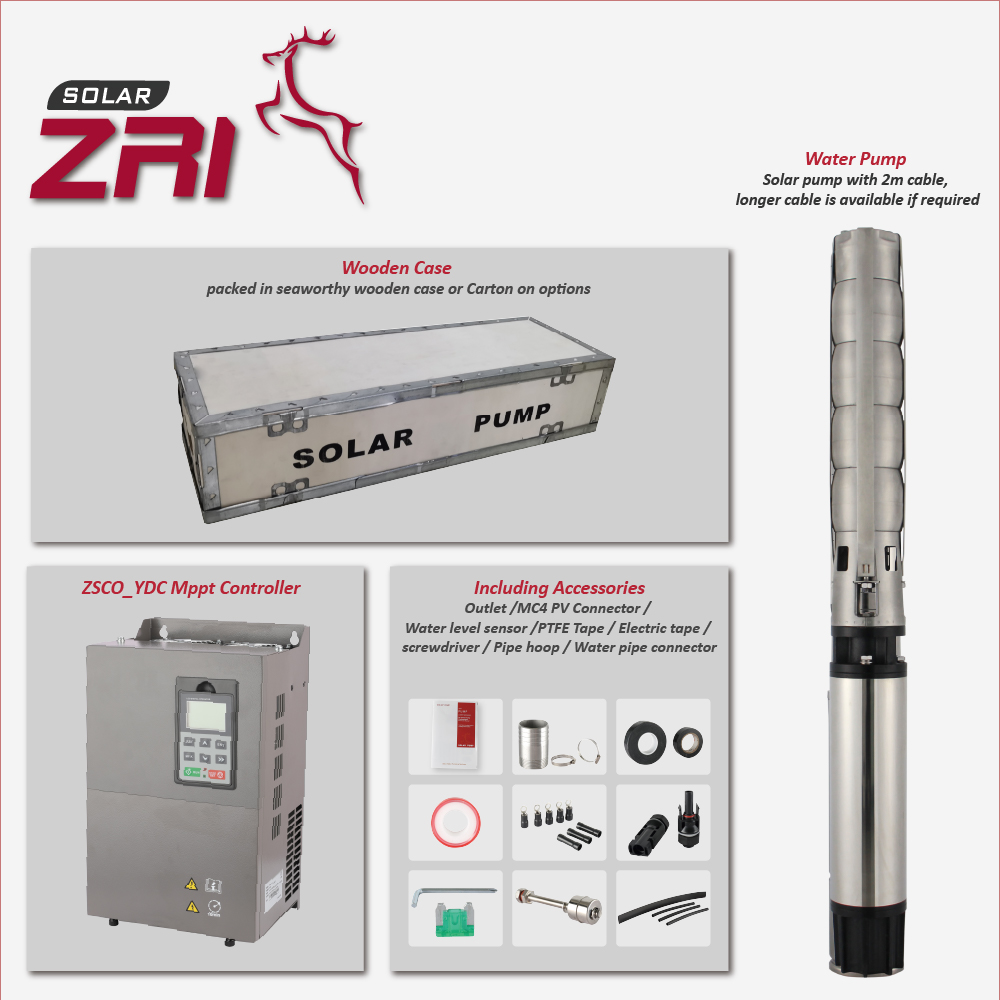
What does “brushless” mean? How do brushless motors enhance the efficiency and lifespan of solar water pumps?
What does “brushless” mean? How do brushless motors enhance the efficiency and lifespan of solar water pumps?
When browsing solar water pump product pages, you've likely encountered the term “brushless motor.” But how does it differ from traditional brushed motors? Is “brushless” merely a marketing gimmick, or does it deliver tangible performance gains? For buyers, it means lower return rates; for farmers, it impacts long-term system reliability and total cost of ownership. Choosing the wrong motor can lead to pumps failing under low-light conditions at best, or premature failure of core components at worst. This article delves into the essence of brushless technology, clearly explaining how it revolutionizes solar pump performance across three core dimensions: efficiency, durability, and intelligent control.
I. From “Physical Friction” to “Electromagnetic Dialogue”: How Does Brushless Technology Work?
Traditional brushed motors rely on physical contact between carbon brushes and commutators to drive rotor rotation. This process inevitably involves friction, wear, and sparks.
Brushless DC (BLDC) motors represent a silent revolution. They eliminate carbon brushes and commutators. The rotor features permanent magnets, while the stator consists of coils. A smart controller (driver) precisely directs current to generate a rotating magnetic field within the coils, “pushing” the magnetic rotor to spin.
This is akin to replacing “hard friction” with “magnetic levitation.” The results are evident:
Zero Friction Loss: More direct energy conversion.
No Mechanical Wear: Life expectancy bottlenecks eliminated.
No electrical sparks: Safer operation with minimal interference.
Industry Data: At equivalent power ratings, brushless motors reduce mechanical losses by over 20% compared to brushed motors. This saved energy directly translates to increased effective head or flow rate.
User Questions:
Q: Does brushless mean zero maintenance?
A: Yes, the motor itself requires no periodic carbon brush replacement like brushed motors. However, the controller—acting as the “brain”—requires attention to moisture protection and heat dissipation. The protection rating (IP rating) of high-quality products is crucial.
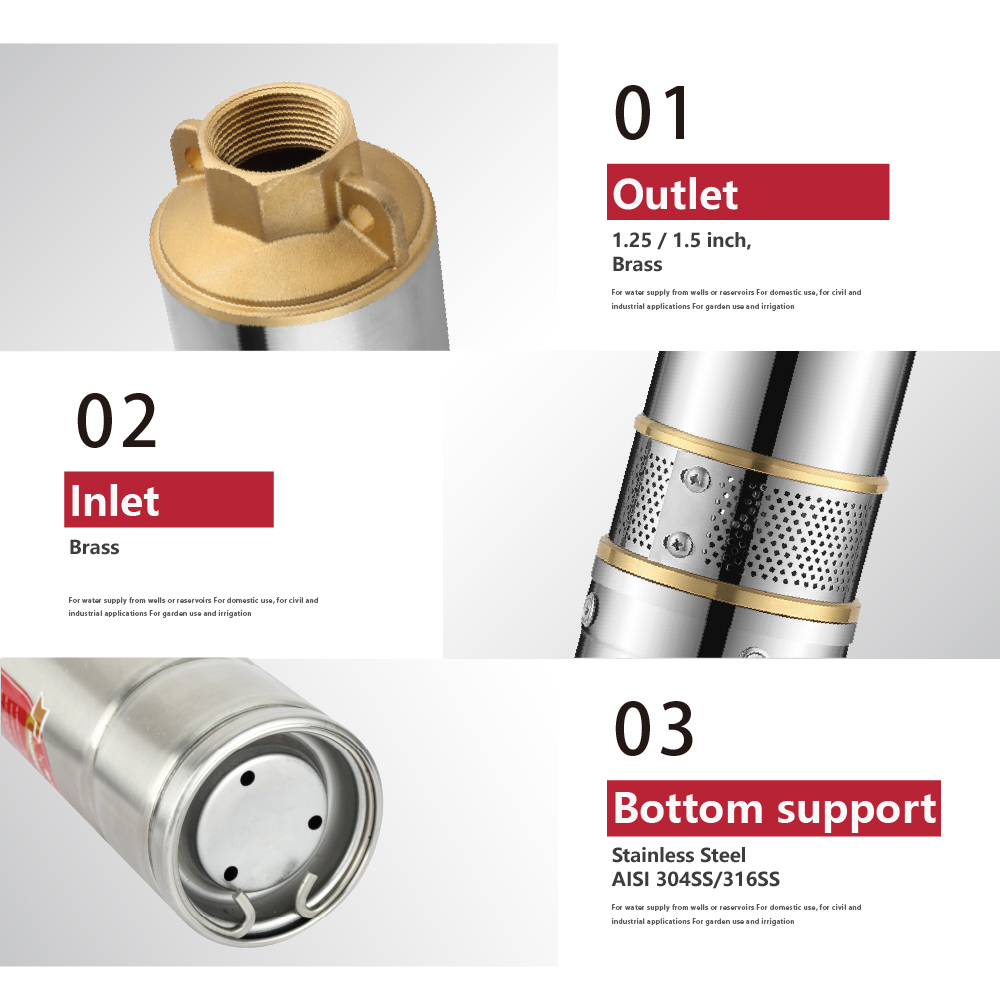
II. Efficiency Revolution: How to Squeeze More Water from Every Ray of Sunlight?
Every kilowatt-hour generated by solar panels is precious. Brushless motors are “power-saving masters.”
Their high efficiency stems from two key factors: first, the elimination of friction losses; second, the controller's ability to achieve precise variable-frequency control. Pump speed can be adjusted in real-time and smoothly according to light intensity. It runs at full speed under strong sunlight and operates at low speed with high efficiency under weak light, avoiding frequent starts and stops.
This is crucial for solar systems. Brushed motors may stall or fail to start under low light due to insufficient torque, wasting energy. Brushless motors, however, can begin working even with minimal sunlight.
Real-world example: In an East African farm irrigation project, replacing conventional brushed pumps with high-efficiency brushless pumps increased average daily water output by approximately 35% under identical sunlight and PV panel configurations. The core reason is that brushless motors remain effective during low-light periods like dawn and dusk.
User question: Q: Do brushless pumps truly require lower starting light levels? A: Yes. Thanks to advanced weak magnetic field control algorithms, high-quality brushless solar pumps can start at voltages 15%-25% lower than traditional brushed pumps. This means they begin operation earlier and cease later.
III. Lifespan Leap: Why Can They Operate Stably for Tens of Thousands of Hours?
The pump body is often not the limiting factor in lifespan—it's the motor. The secret to brushless motors' longevity lies in “reducing the load.”
No Wear: Eliminates the carbon brushes, the component with the shortest lifespan.
Low Heat Generation: High efficiency means less loss, resulting in lower coil heating and slower insulation material aging.
Impact Resistance: Robust construction without fragile components like commutators.
A typical high-quality brushless motor is designed for a lifespan of 20,000 to 30,000 hours. Based on an 8-hour daily operation, this translates to 8-10+ years of continuous service.
Industry Comparison: In demanding desert irrigation applications in Northwest Africa, brushed motor pumps typically require carbon brush or motor replacement every 1-2 years. Under identical conditions, brushless pumps consistently achieve over 5 years of trouble-free operation.
User Query: Q: If brushless motors are so durable, does that mean the entire pump won't fail? A: No. While the motor has a long lifespan, components like bearings, seals, and impellers remain consumables. Selecting pumps with ceramic bearings, mechanical seals, and corrosion-resistant impellers is essential for achieving overall longevity.
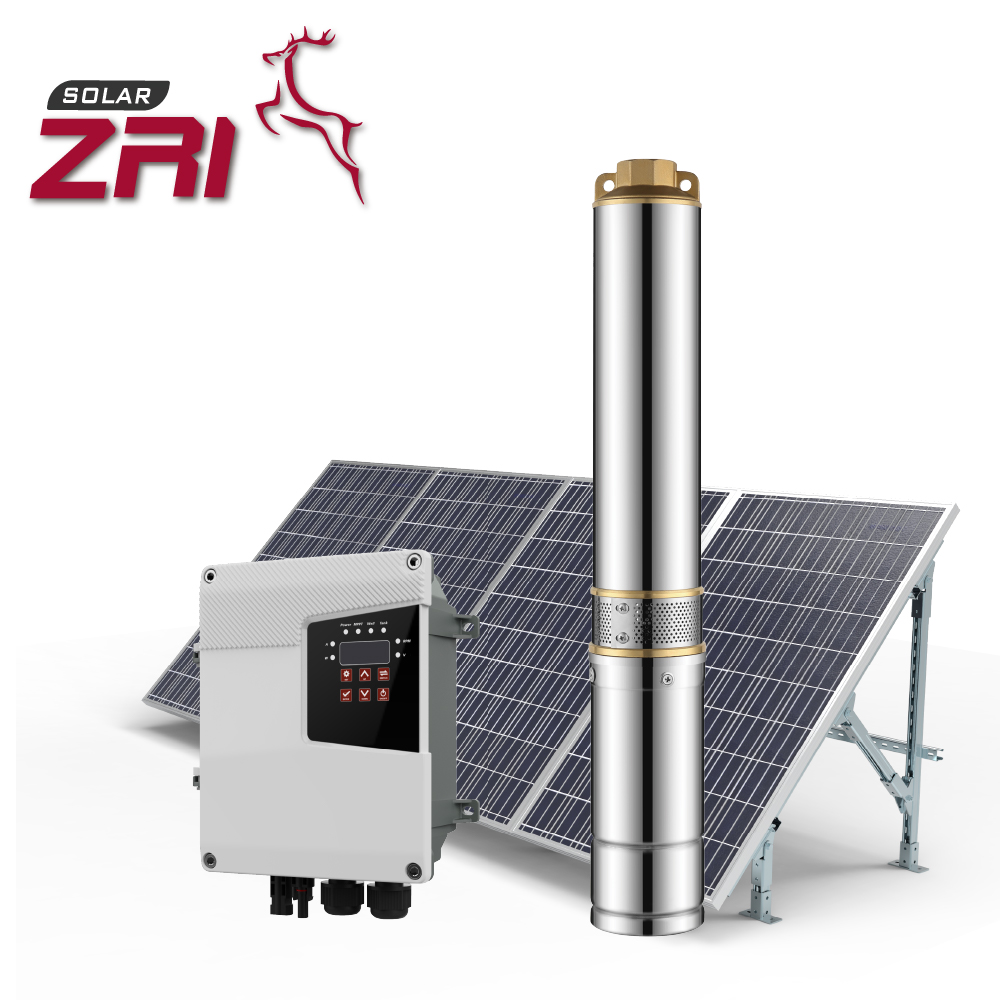
IV. The Intelligent Brain: How Does the Controller Become a True “Efficiency Booster”?
Brushless motors cannot function without their optimal partner—the intelligent controller. This is the technological core.
The controller not only drives the motor but also acts as an “energy steward” and “system protector”:
MPPT Maximum Power Point Tracking: Ensures solar panels generate power at peak efficiency.
Soft Start & Frequency Conversion: Smooth startup reduces impact and adapts to variable sunlight.
Comprehensive Protection: Prevents dry running, overvoltage, overcurrent, and stalls, significantly lowering failure rates.
It can be said that half the value of a brushless motor lies in the motor itself, while the other half resides in the controller's algorithms.
Procurement Insight: Significant price variations exist for brushless pumps in the market, with the controller being the key factor. Simple square-wave controllers are low-cost but offer poor efficiency and high noise levels. Opting for controllers utilizing sine-wave (FOC vector control) technology can further boost overall energy efficiency by 5-10% while delivering quieter and smoother operation.
User Query:
Q: What if the controller fails? Is repair complicated?
A: Controllers are typically modular for easy replacement. When purchasing, select suppliers offering standalone controller parts and clear technical support to lower maintenance barriers and costs.
Decision Checklist for B2B Buyers
When evaluating solar water pumps next time, ask suppliers these four questions:
Is the motor a genuine brushless DC (BLDC) motor? Confirm the specific type.
Is the controller MPPT + FOC vector control? Request efficiency curve diagrams.
What is the overall IP rating? IP68 waterproofing and dustproofing ensure durability.
Can third-party verified efficiency and lifespan data be provided?

Conclusion
“Brushless” is far from an empty concept. It signifies the evolution of solar water pumps from simple mechanical tools into efficient, durable, intelligent energy system cores. Its value ultimately manifests in lower lifecycle operational costs, higher water supply reliability, and superior investment returns. For buyers and end-users prioritizing reliability and long-term value, understanding how brushless motors enhance solar water pump efficiency and lifespan is essential for making informed technical decisions.
Q: Brushless pumps cost more—is the investment worthwhile?
A: Absolutely. While the initial investment increases by 20–30%, it eliminates the costs and labor of frequent carbon brush and motor replacements. Significant savings are achieved in electricity bills (or water output under equivalent sunlight). Comprehensive calculations show a typical payback period of 1–2 years, with long-term benefits far exceeding those of brushed pumps.
Q: Do brushless pumps demand higher-quality solar panels?
A: Quite the opposite. Their low start-up voltage, wide operating range, and high efficiency make them more tolerant of varying solar panel configurations. At equivalent power ratings, brushless pumps utilize solar panels more efficiently than brushed pumps.
Q: Can brushless pumps be directly replaced in systems already equipped with traditional brushed pumps?
A: Yes, but system compatibility must be verified. Key considerations include: ① Whether the PV panel voltage/power falls within the brushless pump's wide input voltage range; ② Whether piping and head requirements match the new pump's performance. We recommend consulting suppliers for system validation.
Meta Description: Deep dive into how brushless motors power solar water pumps. This article explains their efficiency and longevity principles, compares differences with brushed motors, and provides a purchasing checklist. Help you choose truly reliable and efficient solar water pumps while reducing long-term operational costs.
Keywords: solar water pump brushless motor, brushless pump efficiency, solar pump lifespan, MPPT pump, BLDC pump selection