
 DC SOLAR SUBMERSIBLE PUMP
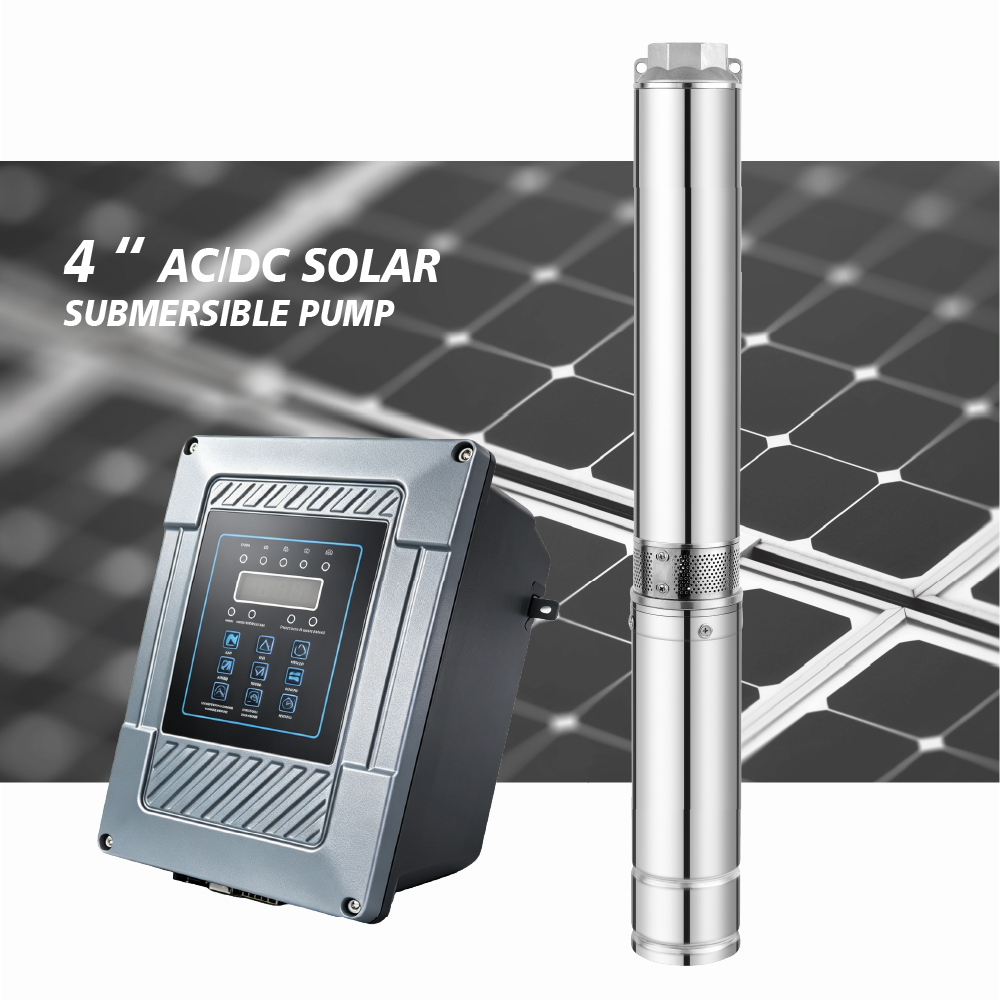
 AC/DC Solar submersible Pump
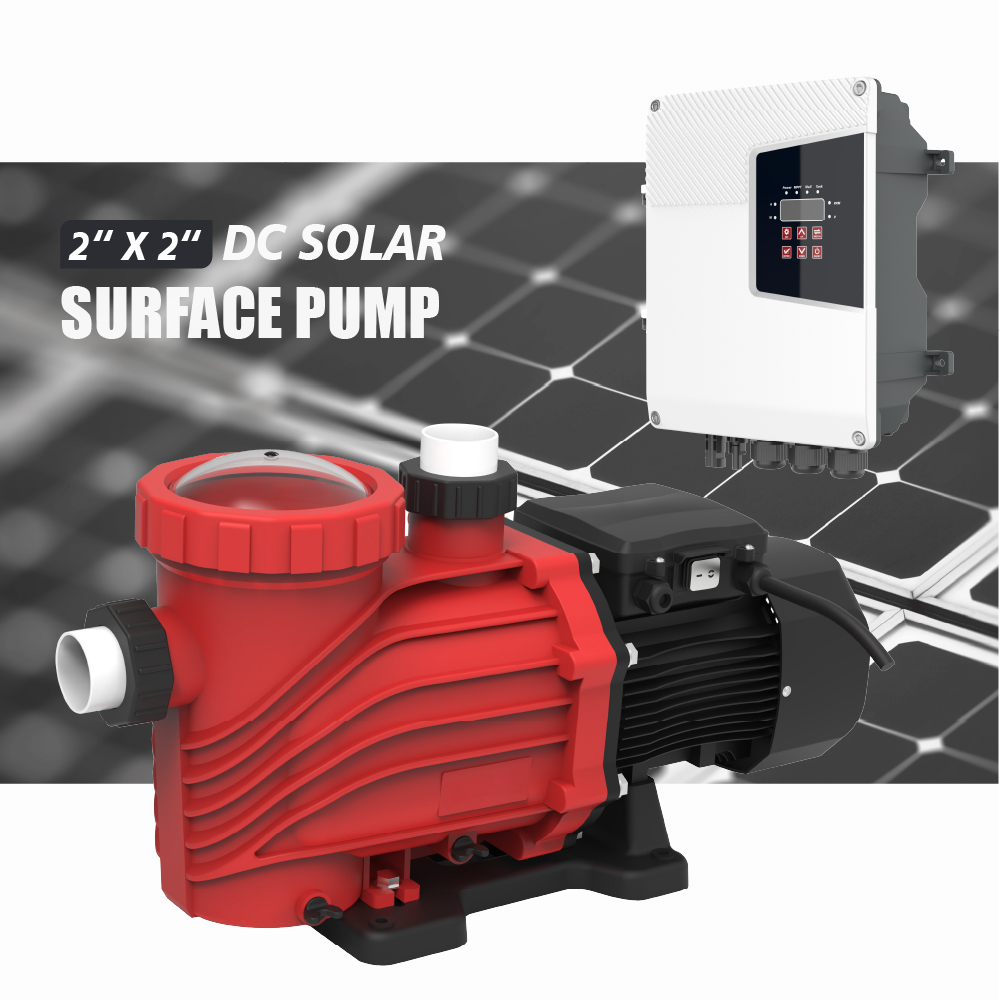
 DC Solar Surface Pump
 AC/DC solar surface Pump
 Solar swimming Pool Pump
 Built-in Controller Solar Pump
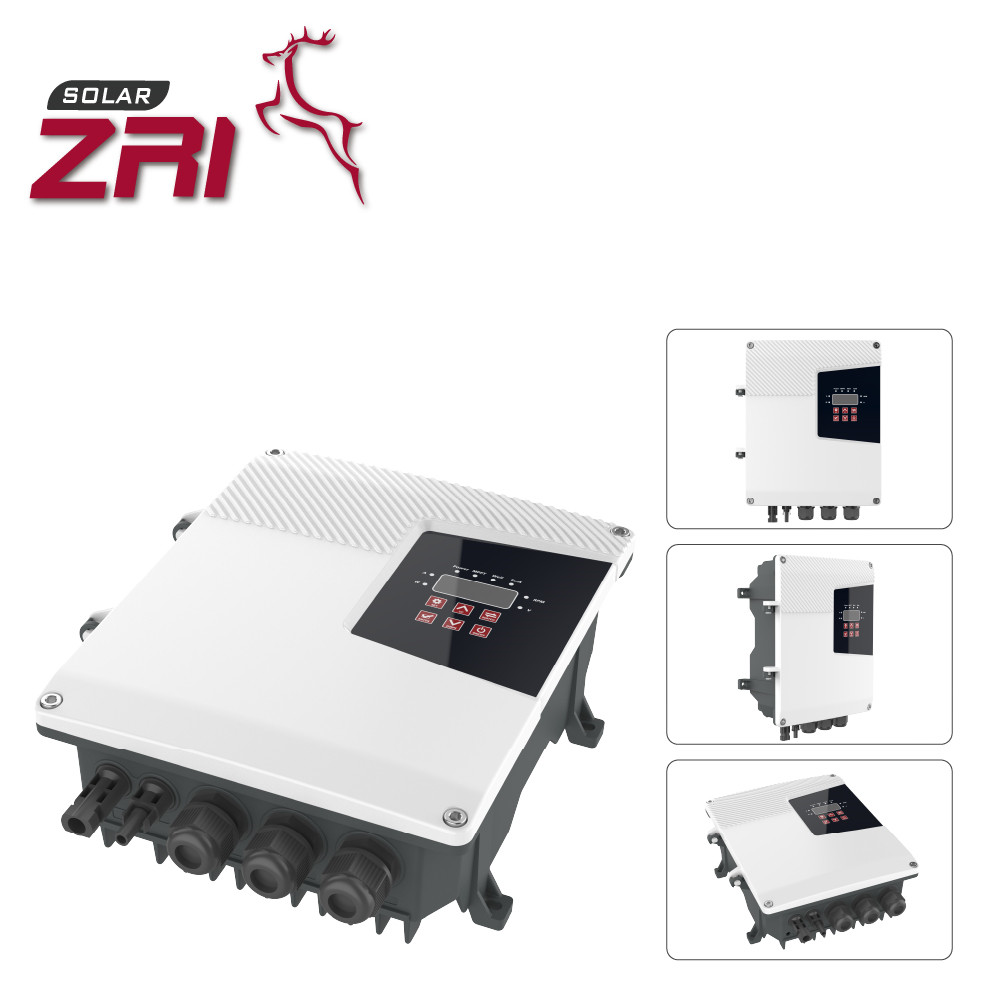
 Solar Pump inverter
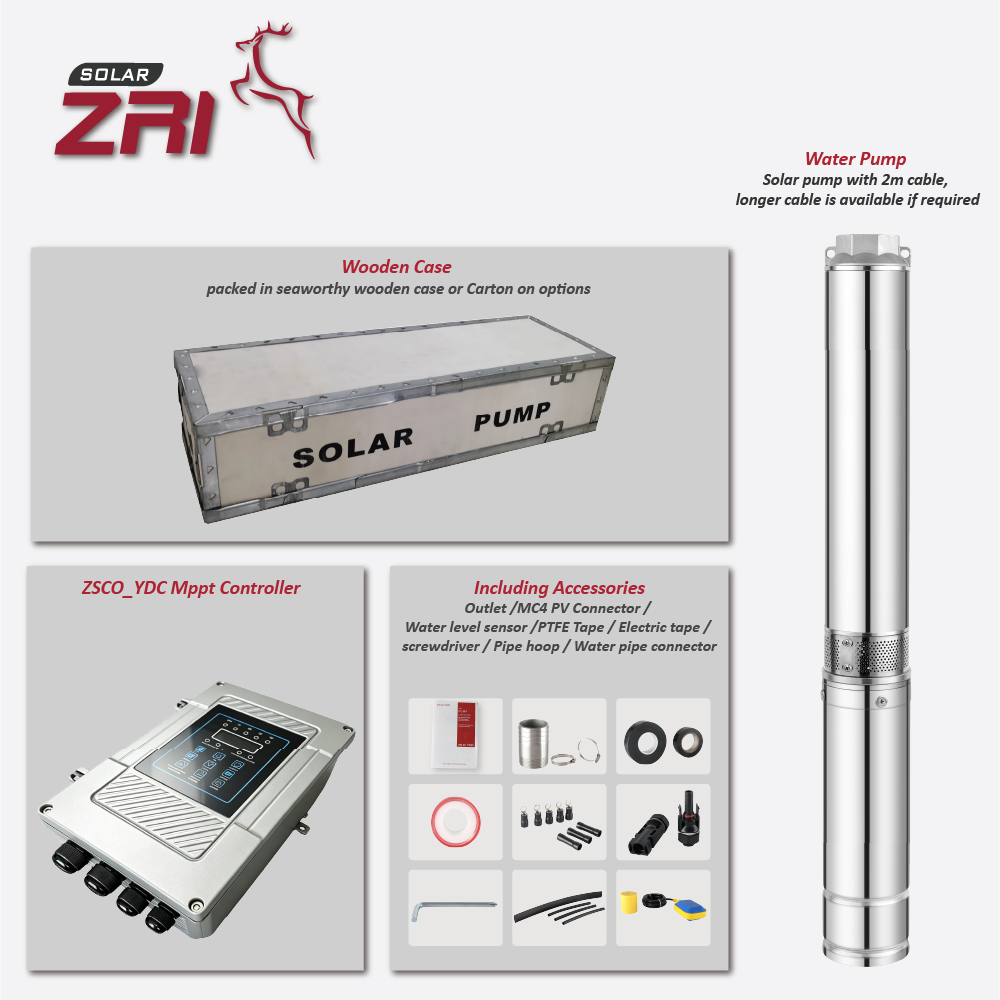
 Pump Accessories


 Mr Youkee Kong


Winterising Small Solar and Battery Water Pumps: The Off Season Service Plan Garden Centres and Pond Dealers Can Sell Every Autumn
The September Return Wave Costs Dealer Margin
A garden centre chain in the north of England pulled 214 decorative solar water pump units back from customers in the third week of September last year, and 61 % of them arrived with cracked housings or seized impellers rather than with a genuine manufacturing defect. Almost every one of those units had simply been left in the pond through the first frost, which is a problem a dealer can sell a service for instead of refunding.
The off-season service plan is the difference between a repeat sale and a warranty fight. A small solar water pump left sitting in a frozen pond becomes a liability the moment the temperature drops below 0 °C. Dealers who sell the autumn service earn a second margin event and keep the customer for spring. Most returns trace back to ice damage over 3 months of freeze-thaw. This article gives a dealer a sellable, repeatable programme for the last six weeks of the season.
The autumn service converts a lost margin into a booked labour line at 15-25 GBP per unit. Customers accept the fee because it is cheaper than buying new in April. A dealer who services 50 pumps in a season protects roughly 1,250 GBP of margin that would otherwise walk out the door.
What Actually Kills These Pumps Over Winter
Four failure modes account for almost every winter return. Ice expansion inside a sealed housing splits the shell at 0 °C and below. A frozen impeller locks the rotor, and the first spring start-up snaps the shaft. Deep-discharged battery cells lose chemistry and will not hold a charge after a 3-month idle at 0 °C. UV-cracked cable jacket lets water track into the connector and corrodes the terminal block. Every one of these is preventable with a 40-60 minute service visit in the autumn.
A cable left in full sun for 2-3 seasons loses flexibility and the jacket micro-cracks at -5 °C. Water enters through the crack and the terminal block corrodes within 6 weeks of storage. Cut the cable back 20 mm and fit a fresh weatherproof joint during the autumn service to stop the track. Most returns tagged as motor failure are actually cable failure in disguise.
Why Does Ice Expansion Crack a 12 V Pump Housing?
Water occupies roughly 9 % more volume as ice, and a trapped puddle inside a 12 V pump body has nowhere to go. The pressure from freezing water exceeds the yield strength of ABS plastic at -5 °C. Once a hairline crack forms, the next thaw pulls in silt and the unit is finished. Draining the pump completely and storing it dry removes the trapped water entirely. Most decorative units carry a 12 V or 24 V motor with no internal antifreeze cavity.
A 12 V ABS housing typically fails at a wall thickness under 2 mm when ice forms inside. The fix is removing the water before the first 0 °C night. Tip the unit upside down for 24 hours so every cavity drains completely.
The Last Six Weeks: Pull, Flush, Dry, Test, Store
Start the programme in the final 6 weeks, before overnight lows reach 5 °C. Pull every unit from the water, flush the intake with clean water, and dry the housing for 24 hours. A quick bench test on a 12 V supply confirms the impeller still spins freely. Store the pump in a frost-free space above 0 °C for the winter.
- Pull the pump from the water and flush the intake with 2 L of clean water before overnight lows reach 5 °C.
- Dry the housing for 24 hours in a warm room above 0 °C, then bench-test the spin on a 12 V supply.
- Store in a frost-free box with a desiccant sachet until the spring recommission.
The ZRI floating solar water fountain with 12 V brushless motor must be lifted out of the pond before the first frost, because a skim of ice traps the float and cracks the housing.

How Do You Price an Autumn Service Visit?
Charge a flat fee per pump rather than an hourly rate, so the customer knows the cost up front. A fair autumn service price sits around 15-25 GBP per unit for a basic pull-flush-store. Add a consumables line for silicone grease and a new cable tie at 2-3 GBP per visit. Most dealers book 8-12 units per domestic garden in a single 60-minute call.
The spring recommission visit runs 30-40 minutes and costs the dealer less in consumables. Price it at 10-15 GBP per unit so the customer books both without hesitation. Selling the pair as one 6-month plan at 25-35 GBP locks two visits before winter starts.
The ZRI battery powered fountain pump with 18650 cells must be stored at a 40-60 % charge over winter, because a fully drained cell or a fully full cell both degrade at 0 °C.
A Service Kit and Check Sheet You Can Stock
Stock silicone grease, a 12 V test supply, cable ties, and a desiccant sachet per pump. A printed check sheet removes doubt and gives the customer proof the job was done. The sheet records the flush, the 24-hour dry, and the storage temperature. Each check sheet lists the serial and the 12 V or 24 V model code.
The check sheet prints on a single A4 side with 8 tick boxes per unit. Fields cover the intake flush, the 24-hour dry, and the 12 V bench test. Hand the signed sheet to the customer and keep a copy on the unit's serial file.
The ZRI solar bird bath fountain pump with 2 W panel faces the highest winter risk in shallow water under 10 cm, where ice reaches the housing within hours of a 0 °C night.
The ZRI small solar pond pump rated at 12 V 8 W suits seasonal garden ponds that are drained each autumn, so the service plan simply pulls it and stores it dry until April.
The ZRI low-voltage submersible pump at 24 V 15 W serves garden water features and cisterns, and it should be removed from the cistern before the first freeze to avoid ice-locked impellers.
Turning the Visit Into a Repeat Annual Appointment
Book the spring recommission at the same time you take the autumn payment. A simple diary flag 6 months out converts one service into two booked calls per year. Offer a combined autumn-plus-spring plan at a 10 % discount to lock the customer in. Dealers who run the programme report 3 months of steadier winter workshop income.
A dealer running the plan books roughly 12-16 service calls across the 6-week window. Spread the calls by postcode so no single Saturday is overloaded. Send a reminder card 3 months later to confirm the spring recommission date.