Leave Your Message

Blog

How to Choose the Best Solar Water Pump?

How to Choose the Best Solar Water Pump?

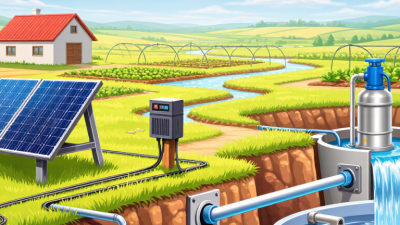
Picking a solar water pump isn't really about the label on the box—it starts with what you actually need. A tank for a house is a totally different job from a deep agricultural bore. So before you get pulled into specs, measure your daily water demand, total dynamic head, bore diameter, water quality, and how much sunlight you get. Those numbers are what tell you the right pump size, solar array, controller, and storage. As Peter Adelmann, founder of LORENTZ, put it, “Reliable water supply begins with a correctly designed pumping system.” That’s still true in the real world. A pump that looks great at ground level can struggle badly at 80 meters. Don’t just trust advertised wattage—check the performance curve. Brushless motors can mean less maintenance, and a good controller helps protect the system when sunlight is low or the pump runs dry. If your water has sand or heavy minerals, corrosion resistance matters too. Search terms can get confusing. People might compare “solar powered water pump solar bore pump price DC screw type solar bore pump brushless dc solar water pump solar dc submersible water pumps DC pump” without checking that the specs actually match. Price alone doesn’t tell you much. A cheaper pump might need replacing sooner, bigger batteries, or more servicing. And sometimes the expensive one isn’t necessary either—it’s worth asking why. Before buying, ask for verified test data, warranty details, spare-part availability, and installer experience. Also think about seasonal sunlight. A few cloudy weeks can expose a plan that wasn’t thought through. The best choice balances reliable water delivery, energy efficiency, repairability, and total ownership cost. You’ll still make mistakes, but careful measurements make them a lot less costly.
Read more »
Sophie By:Sophie - October 13, 2026
Why Choose a Borewell Pump for Your Water Needs?

Why Choose a Borewell Pump for Your Water Needs?

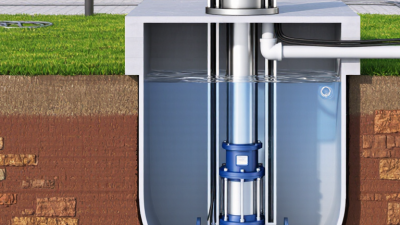
So, choosing the right borewell pump really starts with your water source—not just comparing motor prices. Things like borewell depth, casing size, water level, and how much water you use each day all affect performance. A pump that works great on one property can struggle on another. That difference matters. From what we've seen in the field, a properly sized 2 Inch Borewell Submersible Pump can handle compact homes, gardens, and lighter water systems pretty efficiently. Because the motor sits underwater, it cuts down on surface noise and helps keep pressure steady. But installation quality? Still critical. Clean cable joints, the right pipes, and proper electrical protection can prevent a lot of avoidable failures. A reliable technician should actually measure the borewell before recommending any equipment. Energy use deserves a close look too. An efficient pump can lower operating costs, especially if it's running several hours a day. Stainless steel parts can improve durability where groundwater has sediment or minerals. Still, good materials alone can't fix every problem. You need to test water chemistry, and filters may need regular cleaning. Those small maintenance tasks are easy to ignore. That's the honest part. A professional supplier should explain flow rate, head capacity, warranty terms, and service requirements in plain language. Independent testing data and real installation records offer stronger guidance than flashy claims. So choosing a borewell pump is really a balance between performance, reliability, budget, and future maintenance. With careful planning, the system can deliver dependable water without wasting energy or forcing an early replacement.
Read more »
Sophie By:Sophie - October 10, 2026
Top DC Charge Controller Manufacturers for Global Buyers

Top DC Charge Controller Manufacturers for Global Buyers

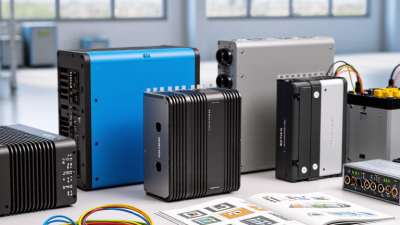
So, picking the right DC charge controller? It’s not just about comparing prices or scrolling through product rankings. If you’re buying globally, you’ve got to look at conversion efficiency, battery compatibility, thermal management, protection features, and after-sales support. A dependable controller should keep performing steadily—whether it’s sitting in a hot warehouse, running a remote solar site, or dealing with a shaky grid. Honestly, the small stuff matters. Something like cable terminals can make or break installation quality. This guide looks at some well-established manufacturers, including Victron Energy, Morningstar, Renogy, OutBack Power, Schneider Electric, and EPEVER. Each one tends to serve different project needs, from small residential systems to commercial renewable-energy installations. A 20 Amp Charge Controller might be just right for a small cabin, a monitoring station, or a backup battery setup. Bigger arrays, though, need higher current ratings, flexible charging profiles, and stronger communication options. Buyers should really confirm those specs before placing international orders. Real-world evaluation also comes down to documentation, warranty terms, certifications, firmware support, and whether distributors are actually available. Product pages can look great. Field performance? That can tell a very different story. In my experience, installation manuals often reveal more than promotional claims—especially when they explain temperature compensation, fault recovery, and maximum photovoltaic input. Still, no manufacturer is perfect, and quality can vary even within the same product range. That’s worth pausing on. Import duties, local voltage practices, and technician skills can all affect the final call. The strongest choice usually balances tested performance, transparent specs, long-term service, and realistic project requirements.
Read more »
Sophie By:Sophie - October 7, 2026
2026 Top AC Pump Controller What Do Global Buyers Need?

2026 Top AC Pump Controller What Do Global Buyers Need?

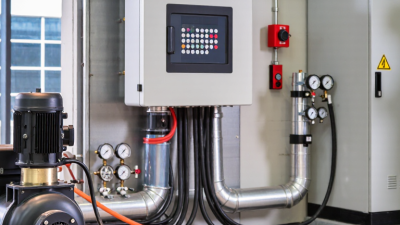
By 2026, buyers around the world are looking beyond just the sticker price when it comes to AC Pump Controllers. They're after steady motor control, clear energy savings, and reliable operation—even in tough environments. Think about it: a controller hooked up beside a dusty irrigation pump faces totally different challenges than one installed inside a clean, high-end office building. Voltage swings can make a big difference, and heat is often an underappreciated factor. Dr. Martin Keller, who’s an expert in pump systems, puts it simply: “Smooth control is more important than having the flashiest specs.” And honestly, that rings true based on what he’s seen in the field. A controller might boast great protective features on paper, but if it’s not tuned correctly, you might still see pressure hiccups, annoying trips, or even early wear on the motor. So, when you're shopping around, pay attention to small things—like acceleration settings, overload protection, IP ratings, communication options, and how easy it is to get support when you need it. Flexibility is also a big deal in 2026. Some projects need a controller that maintains constant water pressure, while others might need it to work with solar-powered setups, backup power, or remote monitoring. Brands like Schneider Electric, ABB, and Siemens set the bar high, but no matter how well-known the name is, you really need to test the controller in your specific application. That’s a bit of a tough pill to swallow sometimes—an inexpensive model might work like a charm in one region, but fall flat somewhere else because of different installation practices. This guide is here to help international buyers figure out what to check before making a decision. Things like compatibility with your motors, local power grid quirks, how often your pump runs, certifications, ease of maintenance, and overall costs should all be on your list. Keep in mind—real-world setups are messy. Dust sneaks into cabinets, operators tweak settings, and documentation can be confusing. The smartest purchasing decision accepts these imperfections and plans ahead. After all, reliable performance starts long before the controller even leaves the factory.
Read more »
Sophie By:Sophie - October 1, 2026
Who Are the Top Borehole Pump Manufacturers in China?

Who Are the Top Borehole Pump Manufacturers in China?

China’s borehole pump market is pretty diverse, featuring big export companies, regional specialists, and brands with their own unique strengths. Honestly, comparing them isn’t just about flipping through a catalog — there’s more to think about. Things like how deep the well is, the size of the bore, how much water you need to move, the water quality, and your power supply all play a role in choosing the right pump. A model that works great in a clear, steady water well might not perform well in a place with more sand or variable demand. Little details really do matter here. Pump engineer Igor J. Karassik once said something that’s a good reminder for anyone buying a pump: “Match the pump to the well, not just to the price tag.” Just a heads-up — that’s a paraphrase, not a direct quote. But it hits the point home: when it comes to purchasing, it’s all about making sure the pump fits the conditions of the well and the installation environment. In this article, we take a look at Chinese manufacturers like Shimge, LEO Group, Dayuan Pump, and CNP. We’re going through their product ranges, how much experience they have in manufacturing, the quality of their technical info, support services, and how clearly they display performance data. All of these things help buyers compare different brands without assuming that any one company is automatically the best. Don’t forget to ask for a pump curve, info about materials, and advice on how to install and maintain the pump. And then, double-check if the model you’re looking at really fits the site conditions. Of course, specs might look perfect on paper, but real wells are often way less predictable. Also, always be cautious of what suppliers claim — it’s a good idea to verify everything with a proper site assessment. This guide’s goal isn’t to give you all the answers but to give you a solid starting point for evaluating Chinese-made borehole pumps — real-world stuff that helps you make smarter choices.
Read more »
Isabelle By:Isabelle - September 26, 2026
Top 10 Types of Powered Water Pumps for Global Buyers

Top 10 Types of Powered Water Pumps for Global Buyers

Picking the right powered water pump isn't just about reading product specs or labels — it really depends on the actual conditions at your site. Whether you're dealing with a farm, a construction site, a mine, or a municipal network, each one has its own needs: different flow rates, pressure requirements, power sources, and maintenance routines. The International Energy Agency points out that while more places are gaining electricity access, reliable power supplies are still patchy, especially in rural areas. That’s why diesel, electric, and solar-powered pumps all still matter for folks around the world. In this guide, we’ll look at ten practical types of pumps—things like centrifugal, diaphragm, submersible, booster, sewage, and solar-powered models. According to FAO AQUASTAT, agriculture uses the biggest chunk of the world's freshwater, so pump efficiency isn’t just a business issue; it’s also about conserving our environment. The World Bank adds that having reliable water infrastructure can really boost rural productivity—though, to be honest, how well a pump performs often depends on good installation. Little things—like pipe friction, dust, or spare parts—actually make a difference. When you’re shopping around, you might compare solar-powered water pumps, but don’t just go by specs alone—things can be deceiving. A cheap price tag might hide weaker seals, complicated controls, or limited support if something breaks. The U.S. Department of Energy stresses that efficiency is a big picture, long-term cost thing—it's not just a marketing hype. But keep in mind, the data might differ depending on where you are, how the tests were run, or the workload. So, it’s worth paying attention to that. Usually, the most powerful pump isn’t the best choice. What really matters is finding a pump that can provide steady water service, keep operating costs manageable, and be repairable when needed over time.
Read more »
Isabelle By:Isabelle - September 21, 2026
2026 Top Small Solar Water Pump Types for Global Buyers

2026 Top Small Solar Water Pump Types for Global Buyers

You know, the market for Small Solar Water Pump systems in 2026 is starting to look more practical and useful, but honestly, people's expectations are all over the place right now. According to IRENA, by the end of 2024, global renewable energy capacity surpassed 4,400 gigawatts, with solar leading the charge on new additions. That’s pretty exciting because it means wider access to compact, efficient pumping systems is becoming more of a reality. But here’s the thing — just because solar is growing doesn’t automatically mean water will always flow reliably. Sometimes, there are other factors at play. The World Bank’s ESMAP report, titled 'Solar Water Pumping for Sustainable Water Supply,' points out that solar systems can cut down operating costs and reduce dependence on fuel — which is great news. But it also warns that if you don’t size these systems right, you could run into issues like water shortages, battery losses, or even putting too much pressure on groundwater sources. Take India as an example — the country has a massive agricultural pumping scene, and that’s exactly why finding efficient solar solutions matters so much. The numbers are pretty impressive, but the realities on the ground can be a whole different story. Dr. Aditi Mukherji, a well-respected expert on water and climate, often says, 'Solar irrigation isn’t a one-size-fits-all deal.' And honestly, that applies here too. When shopping around for a small solar water pump, it’s super important to think about what you actually need. A tiny pump might be perfect for a shallow well, a greenhouse, or a livestock trough—even a remote household. But it might totally fall flat if you’re dealing with a deep borehole or intense demand during a cloudy season. So, folks should compare things like flow rate, total dynamic head, the quality of controllers, panel warranties, spare parts, and local support. Sometimes, the smallest unit that can reliably pump water at 7 a.m. after a dusty night and when the grid is weak is the best choice, even if it’s not the biggest on the block. This guide takes a look at the top options for 2026, but here’s a truth that’s a bit uncomfortable — product labels can sometimes look way clearer and promising than what you actually get when you’re operating in real conditions. So, do your homework and pick wisely!
Read more »
Ethan By:Ethan - September 18, 2026
What Are the Top 10 MPPT Controller Suppliers in China?

What Are the Top 10 MPPT Controller Suppliers in China?

Choosing a dependable MPPT controller supplier in China isn’t just about comparing prices or shiny efficiency numbers. Trust me, product quality can really vary a lot—even between models from the same brand. So, in this guide, I’ll walk you through ten well-known suppliers, focusing on practical buying factors like conversion efficiency, stability in charging, thermal protection, warranty details, certifications, and after-sales support. We’re looking at companies like EPEVER, SRNE, MUST, PowMr, Victron Energy China, Mecer, Renogy China, Lersion, Y-Solar, and Felicity Solar. Each one caters to different needs—some are perfect for small off-grid cabins, while others are geared towards bigger commercial solar setups. Some of these controllers are pretty straightforward, featuring simple LCD displays, while others offer cool extras like remote monitoring, lithium battery compatibility, or higher current capacity. Also, keep in mind, installation details matter. A controller installed inside a hot metal cabinet will face totally different challenges than one used in a ventilated home system. Honestly, no list is perfect. The rankings might change over time as manufacturers update firmware, upgrade their components, or tweak warranty policies. Plus, it’s really important to double-check technical specs. Something like a claimed tracking efficiency can vary based on sunlight, battery voltage, temperature, and testing conditions. Before you drop serious cash on a large order, don’t hesitate to ask for datasheets, test reports, samples, and clear info about after-sales support. This intro is meant to give you a practical outlook. I’m all about focusing on real evidence rather than just flashy slogans. But let’s be honest—online info isn’t always consistent. What works in lab conditions might perform differently out in the field. So, think of this guide as a starting point. Make sure to verify things like compatibility, certifications, manufacturing capacity, and how responsive the supplier is before making any final decisions.
Read more »
Isabelle By:Isabelle - September 12, 2026
China Top AC Pump Controller Suppliers How to Choose?

China Top AC Pump Controller Suppliers How to Choose?

Picking the right AC pump controller from China's top suppliers isn't just about eyeballing prices in a catalog. You really gotta think about whether the controller matches your pump motor, voltage requirements, starting current, control method, and the environment where it’ll be used. Like, a controller that works perfectly in a neat workshop might totally struggle if you slap it beside a dusty irrigation channel—that kind of stuff really matters. The best way to evaluate is to ask for solid proof. Dig into factory testing reports, electrical diagrams, protection features, and traceable quality processes. Check if the controller has overload, dry-run, phase-loss, overvoltage, and overheating protections. And don’t hesitate to ask if they can send you samples for some real-world, continuous testing. Also, look closely at the enclosure ratings, terminal quality, cooling system design, and the brands used for components. Sure, certifications can help build confidence, but they’re not everything—seeing how it performs in actual conditions is what counts. Don’t forget about the supplier’s experience either. Big names like INVT, Veichi, and MICNO are well-known for industrial drive solutions, but the specific product you need still depends on what exactly you’re working with. A small farm pump’s needs are totally different from a city’s water system. Make sure to check what communication options are available, how easy it will be to get spare parts, firmware support, warranty details, and how quick their response times are. If you’re thinking about adding solar power down the road, it’s better to compare the AC unit with a dedicated Solar Pump Controller platform rather than trying to make one system do everything. No supplier is perfect, and even seasoned buyers can miss small things like installation quirks, cable length issues, or local humidity conditions. Taking the time to compare and test before making a bigger order really pays off — it leaves room for questions, adjustments, and honest evaluation.
Read more »
Ethan By:Ethan - September 9, 2026
What is a Dc Charge Controller and How Does it Work?

What is a Dc Charge Controller and How Does it Work?

A DC charge controller is pretty much a must-have if you're dealing with batteries in a solar power setup. Basically, it helps manage the flow of voltage and current from your solar panels, making sure the batteries get charged safely and efficiently. I read somewhere that John Carter from SolarTech Innovations mentioned, "A reliable DC charge controller is really the backbone of any solar system." Honestly, his point hits home — quality control in energy management really matters. With renewable energy becoming more and more mainstream, it’s super important to understand how these controllers actually work. They’re the unsung heroes that prevent your batteries from overcharging and dying young. There are different kinds out there too—like PWM and MPPT controllers—each with its own level of efficiency. For example, a 20 Amp Charge Controller can handle quite a bit of solar input, which is pretty handy whether you're just powering your home or even for bigger projects. That said, it’s worth mentioning that picking the wrong controller lengthens the learning curve—and could even damage your system. Some folks overlook how important it is to match the controller’s capacity with their system’s needs, and that’s where things can go sideways. Getting a grip on the technology, knowing its limits, and making smarter choices really pay off. Not only does this boost your system’s performance, but it also helps you become a more responsible energy user overall.
Read more »
Ethan By:Ethan - September 4, 2026
What is Ac Dc Solar Pump and How Does It Work?

What is Ac Dc Solar Pump and How Does It Work?

The AC DC Solar Pump has really become an important player in sustainable water management these days. I mean, Dr. Emily Hart, who's pretty much a go-to expert in renewable energy systems, puts it perfectly when she says, "AC DC Solar Pumps offer a pretty innovative way to turn sunlight into efficient water pumping." These systems do a good job of making the most out of solar energy, which is such a huge plus, especially for folks in remote areas who might not have access to traditional water sources. What’s cool is that AC DC Solar Pumps can handle both alternating and direct current, making them super versatile for all kinds of uses. They’re capable of powering solar bore pumps and other solar-powered water devices, which means they cover a lot of ground in meeting different needs. And if you’re wondering about costs, the prices, like for the DC screw type solar bore pump, are actually becoming more reasonable — it’s pretty amazing how accessible these technologies are becoming. But I’d say, figuring out exactly what kind of system fits your project can still be a bit tricky with all the options out there. Lately, the development of brushless DC solar water pumps has brought notable improvements, like better efficiency and longer life. Still, many users find the installation and upkeep a bit confusing or complicated. So, investing in a solar DC submersible water pump can be worth it, but you really have to think it through — not every system works perfectly for every situation. Recognizing these little nuances can make all the difference when it comes to actually pulling off a successful setup.
Read more »
Isabelle By:Isabelle - September 1, 2026
Best Solar Pump Options for Efficient Irrigation Systems?

Best Solar Pump Options for Efficient Irrigation Systems?

Efficient irrigation really is a cornerstone of sustainable farming these days. With everyone pushing towards renewable energy sources, it's no surprise that solar pump systems are catching on fast. They’re a pretty neat way to water crops — cleaner and often way cheaper to run than traditional fuel-powered pumps. I mean, according to IRENA, switching to solar water pumping can cut energy costs by up to 90%! That’s a game-changer, right? Many farmers are now seriously considering solar-powered water pumps these days. These systems make it much easier to tap into underground water sources without breaking the bank or causing a lot of fuss. The market for solar bore pumps has been booming — and the prices for the popular DC screw type remain pretty competitive. Studies suggest that brushless DC solar water pumps tend to be more efficient and tend to last longer too, which makes them a smarter choice overall. Of course, it’s not all sunshine and rainbows. There are some hurdles, like the initial installation costs, which might be a bit daunting for smaller farms. Plus, since solar energy depends on the weather, you need to plan carefully to make sure everything works smoothly. Working with reliable manufacturers, like Grundfos or SunCulture, really makes a difference in how well your solar submersible pump will perform. Putting in good quality equipment definitely helps improve irrigation results. But at the end of the day, choosing the right gear is super important if you want your farming to be sustainable and successful.
Read more »
Ethan By:Ethan - August 29, 2026
Why Choose a Battery Solar Water Pump for Your Needs?

Why Choose a Battery Solar Water Pump for Your Needs?

Lately, there's been a real buzz around sustainable energy options, and one of the coolest innovations people are talking about is the Battery Solar Water Pump. I mean, according to Dr. Sarah Thompson from EcoFlow, these pumps are actually changing the game when it comes to getting water, especially in those remote, hard-to-reach spots. Basically, they use sunlight to charge batteries, so you can access water even when the sun's not shining. It's pretty amazing how this can totally change life for homes and farms—more reliable and efficient. One of the things folks love about these pumps is how flexible they are. They cut down on dependence on traditional power grids, which is a huge plus if you're off the beaten path. But, of course, like any new tech, there are some hurdles. For example, the upfront cost can make people doubt if it’s worth it. It's a bit of a balance—you have to think about the long-term savings versus the initial investment. Still, if you make the right choice, it could pay off big time in the future and really support sustainability. People are super interested in Battery Solar Water Pumps these days because it shows how attitudes towards renewable energy are shifting. Many users report great experiences, though a few do face some challenges. That’s why it’s so important to really understand what you're getting into. Experts like Dr. Thompson stress the need for good planning—otherwise, it’s easy to run into problems. Honestly, it seems like this kind of technology could be key to improving water access down the line—fingers crossed we keep moving in that direction.
Read more »
Isabelle By:Isabelle - August 21, 2026